Did this Rolex land at Gallipoli?
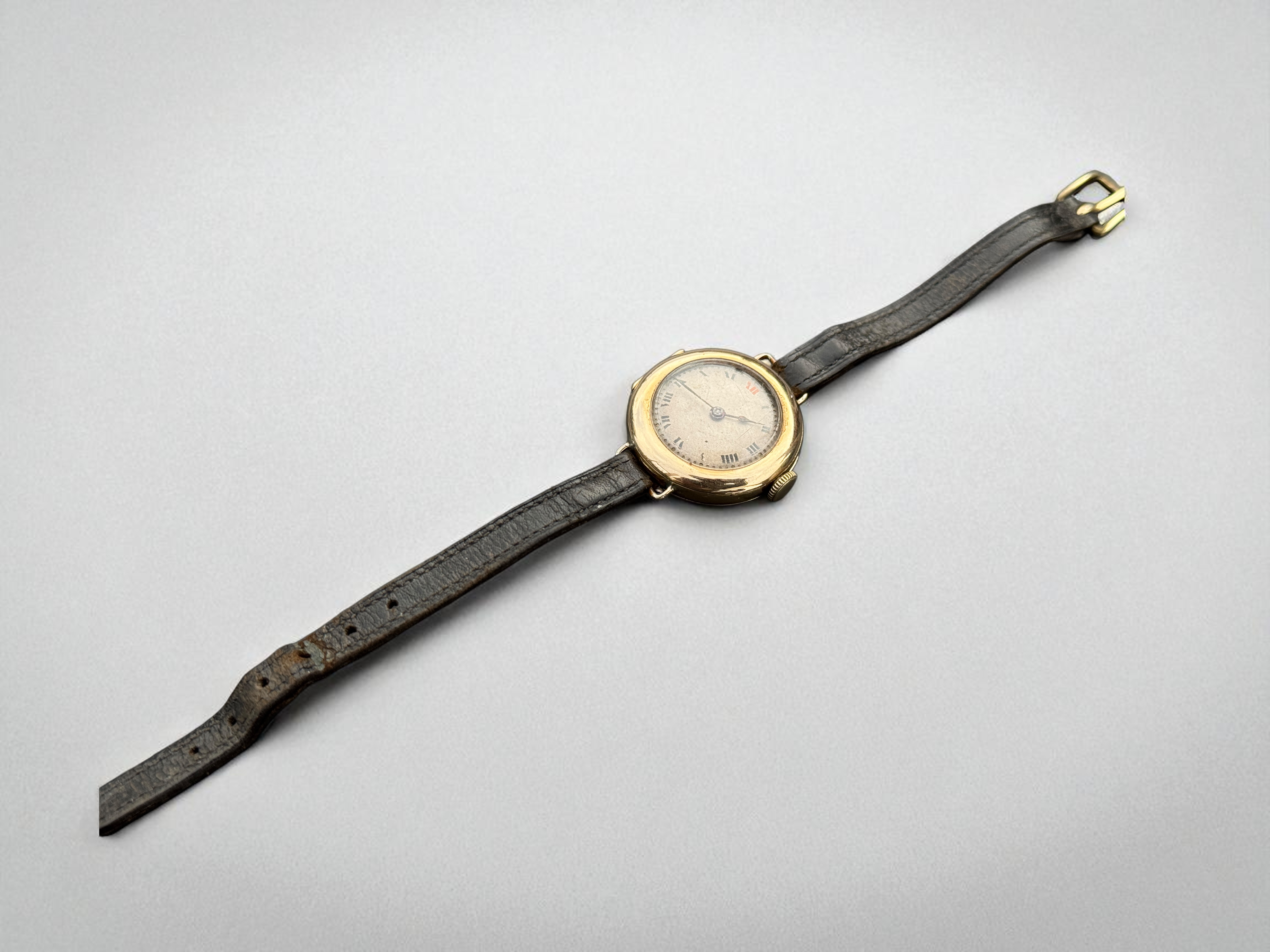
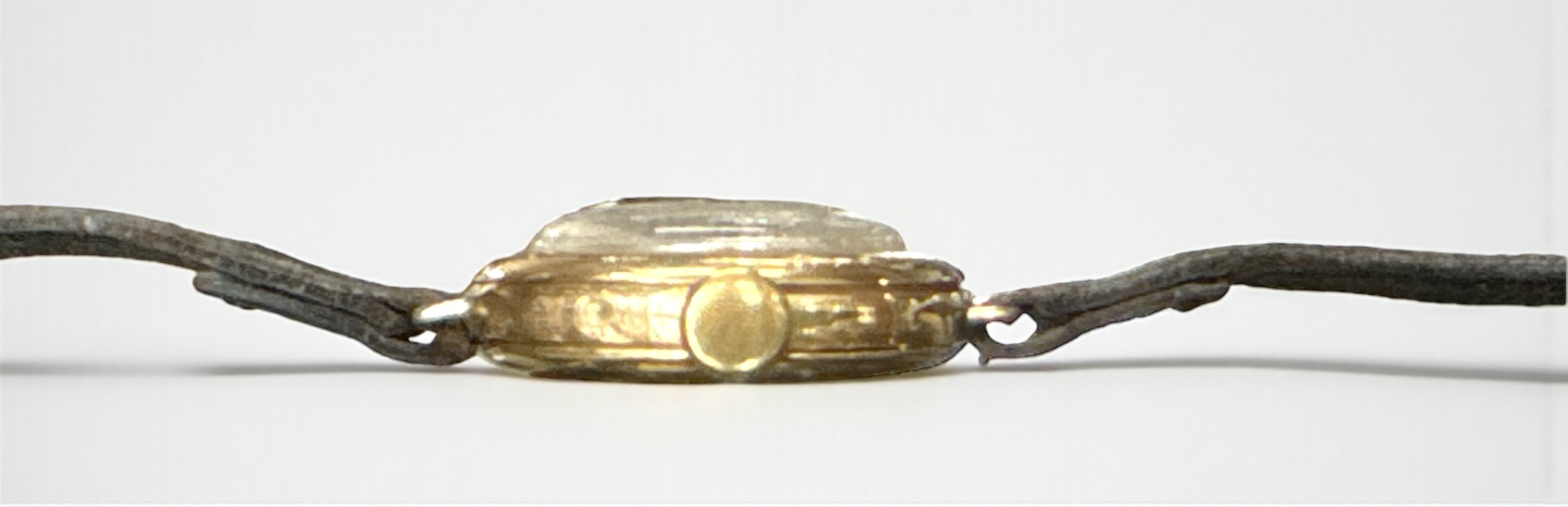
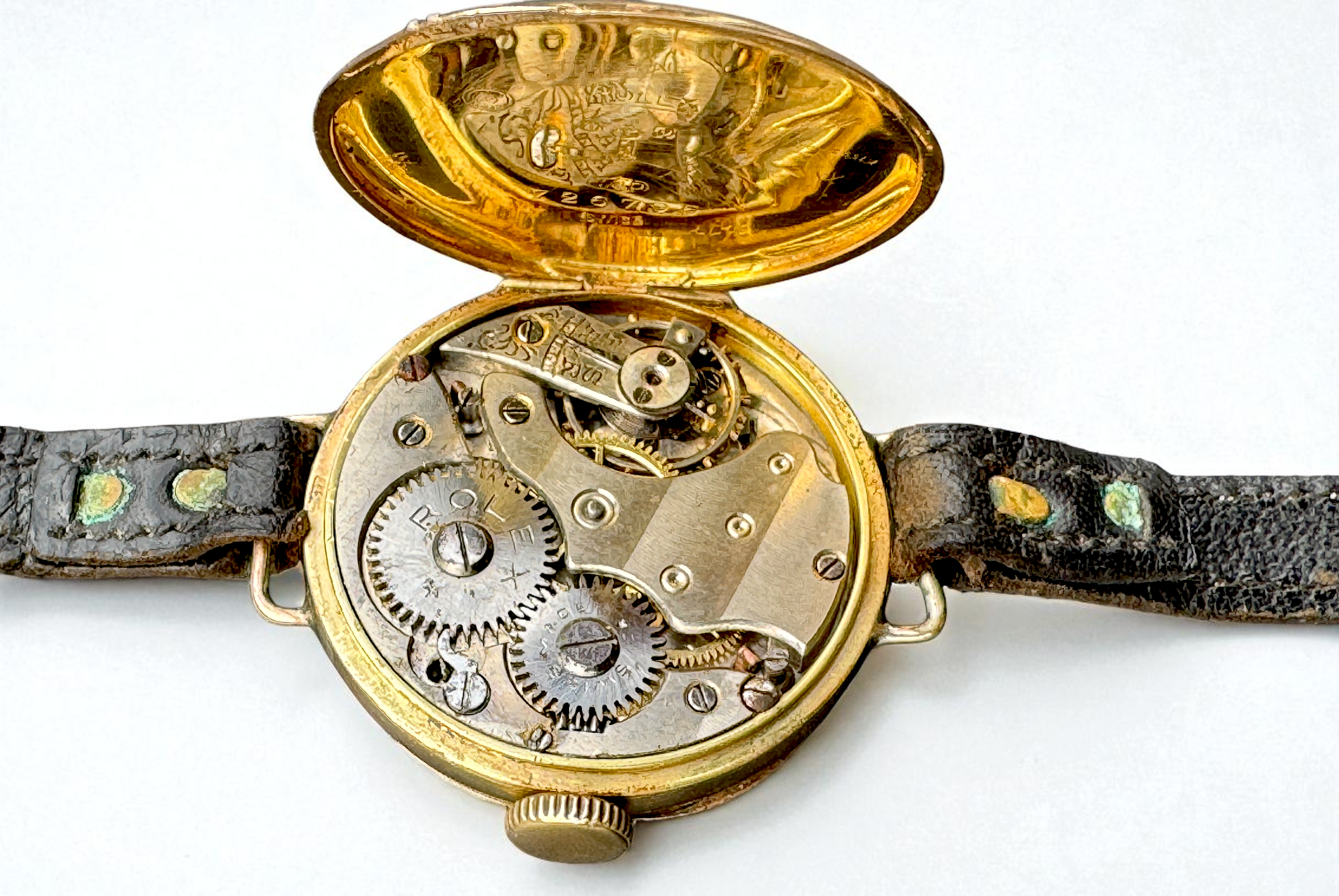
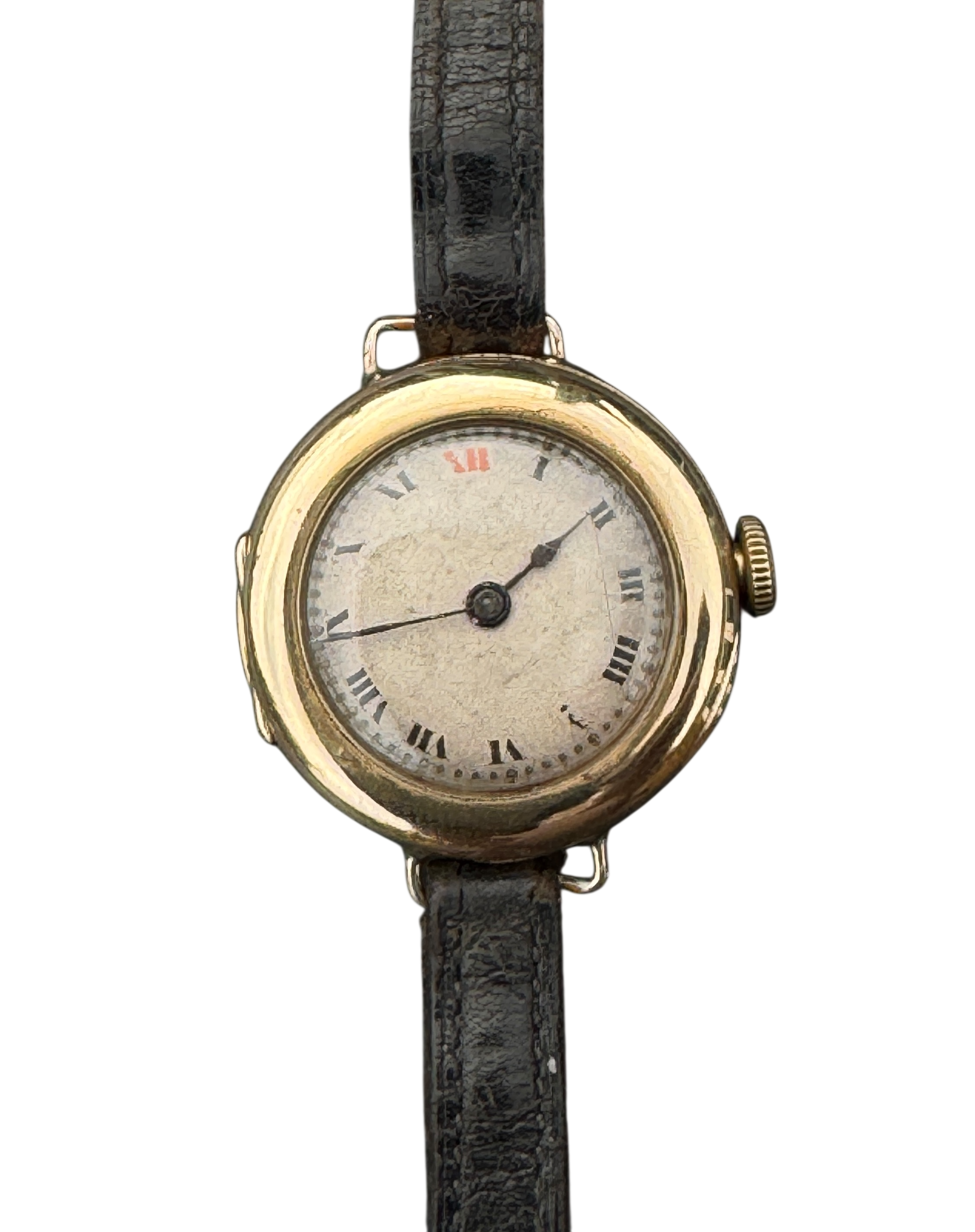
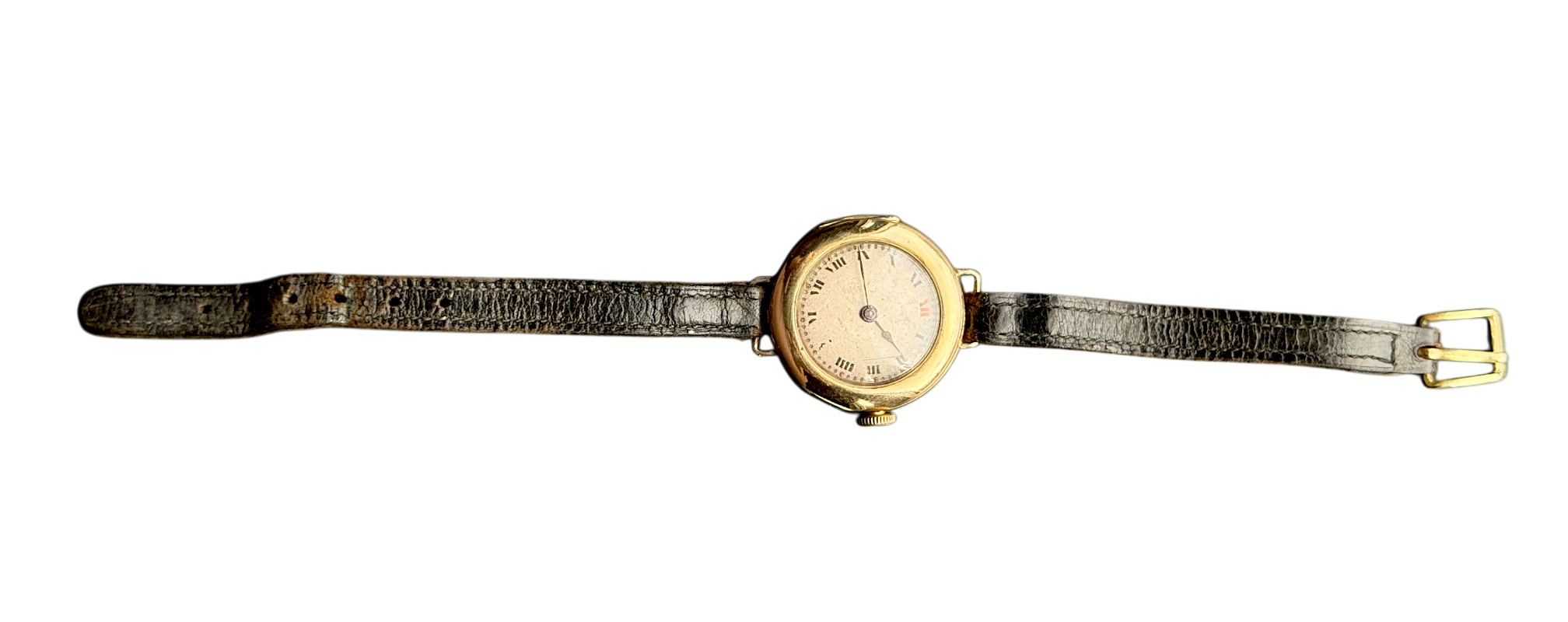
In Moorabool’s October 2025 sale was a small, easily overlooked wristwatch. It bears no mark to the face or case, until you open the back — where it becomes a most exciting piece, as both case and works are marked ROLEX.
What makes this an important item, quite possibly unique, is the owner: a soldier who signed up at the very start of WWI, and took part in the Gallipoli landings. The question is, was this watch on his wrist?
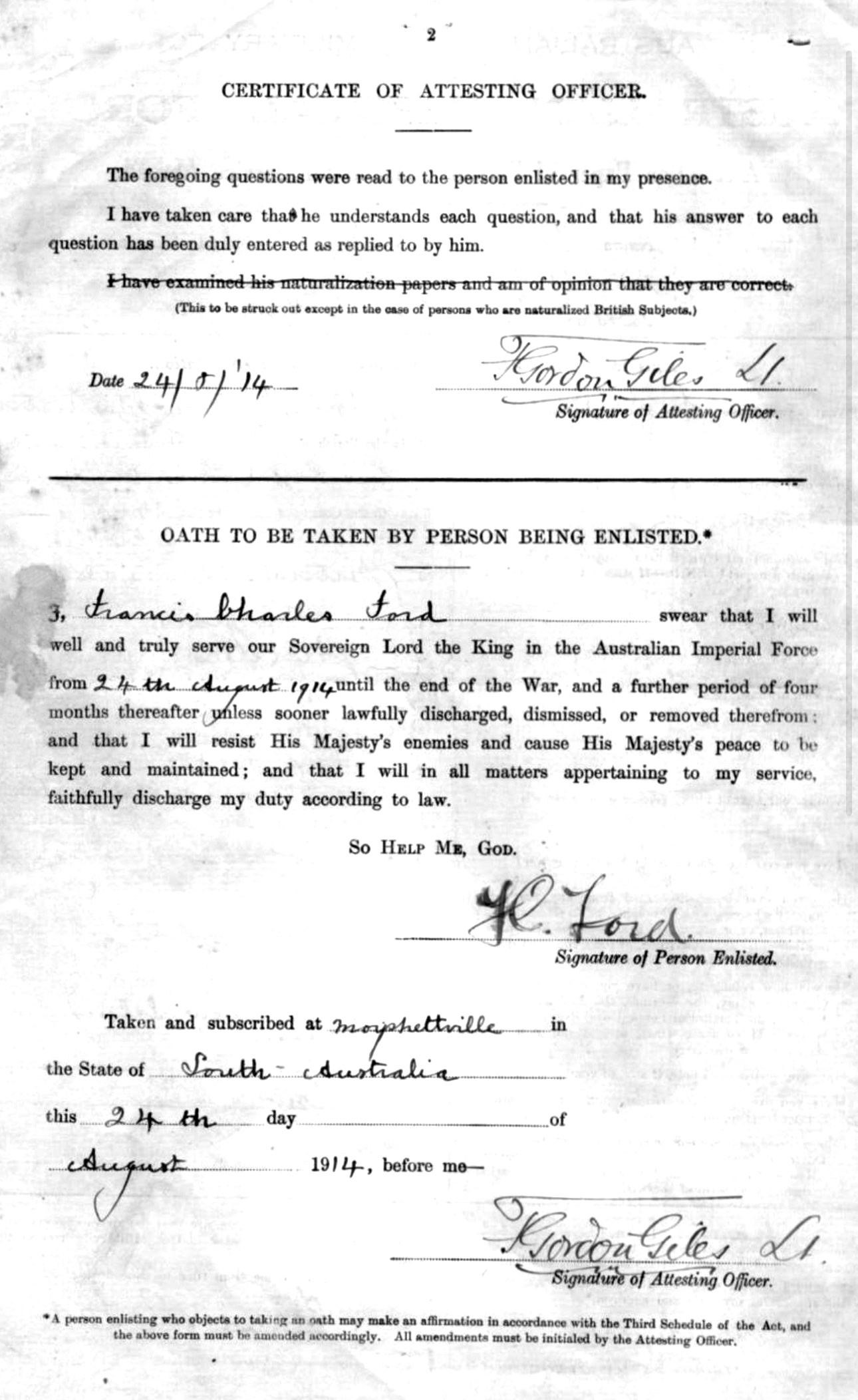
The Soldier: Sergeant Francis Charles Ford
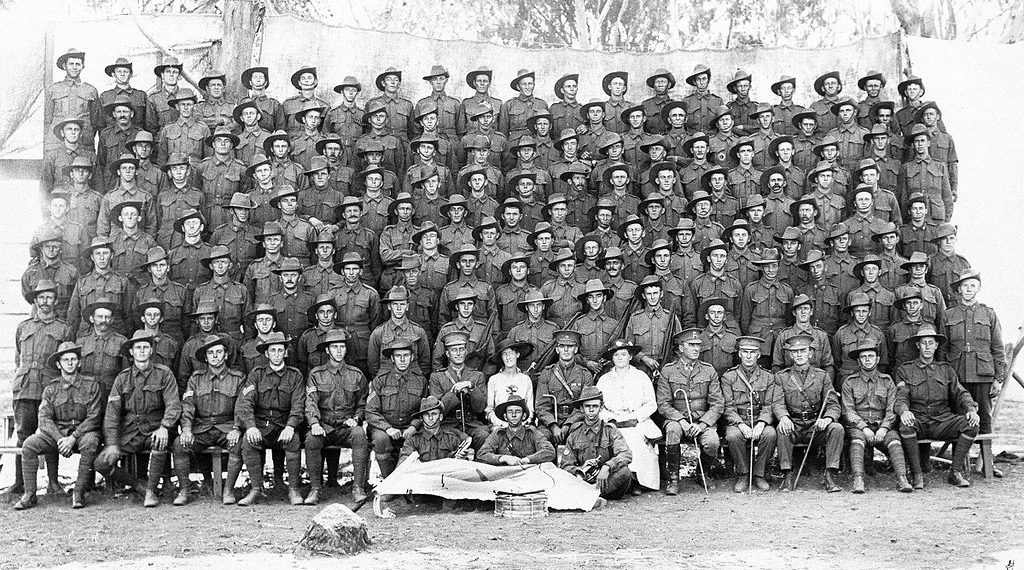
Born in St Peters, London, Francis Charles Ford (No. 411, 10th Battalion AIF) travelled to South Australia before the outbreak of war. In August 1914, only weeks after Britain declared war, he enlisted in Adelaide with the newly formed 10th Battalion at the rank of Sergeant — one of the very first units of the Australian Imperial Force.
By October he had embarked on the troopship Ascanius bound for Egypt — a 33-year-old traveller turned soldier, unmarried, leaving behind a new country for a conflict that would define a generation.
Then love intervened. While the 10th Battalion trained in Egypt, Ford obtained leave to England. In the first months of 1915 he married Louisa Ann Ryder from Leyton — the marriage registered in West Ham in early 1915, only weeks before his unit sailed for the Dardanelles.
The Rolex
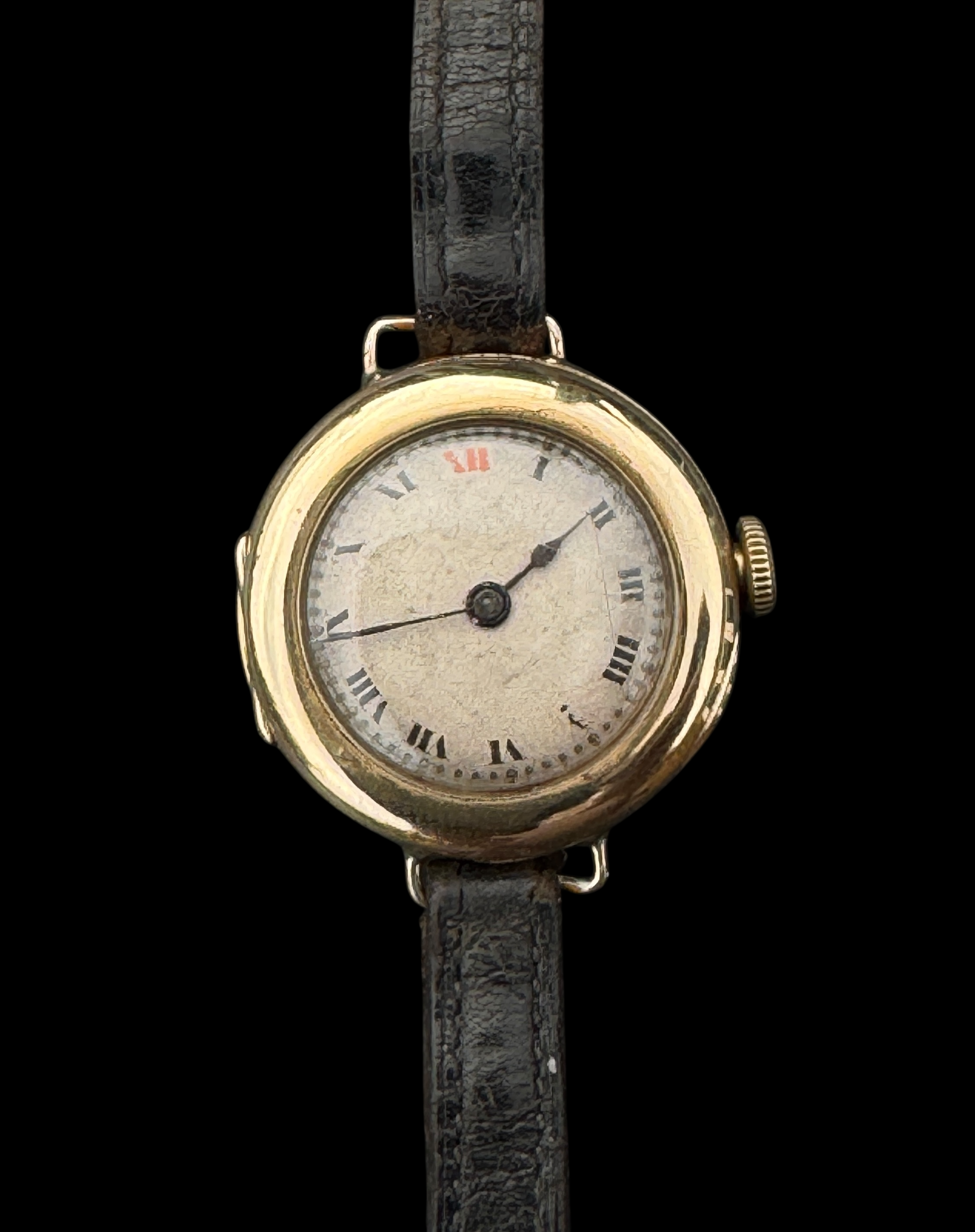
This 18ct gold Rolex trench watch captures a pivotal moment in both design and history — the birth of the modern wristwatch. Made around 1915, it houses the early Aegler “Rebberg” movement, the precision Swiss mechanism that powered Rolex’s very first timepieces. Its enamel dial with bold Roman numerals and the distinctive red “XII” embodies the practical beauty of watches made for the trenches of the Great War: easily legible in dim light, sturdy yet refined.
During this era, Rolex and other innovators transformed the gentleman’s pocket watch into the soldier’s indispensable wrist companion — a revolution in timekeeping born amid the mud and wire of World War I.
A Wedding Gift of Gold
It is not hard to imagine the scene: the young couple spending precious time together before he headed off to the Dardanelles, and in a London jeweller’s shop window gleaming the brand-new “Officer’s Wristwatches,” promoted as essential for the modern fighting man. Among them, this delicate gold piece bearing the new name ROLEX — precise, modern, and dependable.
Whether chosen by Louisa or purchased by Francis himself, the watch was almost certainly a wedding gift, a symbol of affection and the hope that he would return. Within weeks, Ford was wearing it on his wrist as his battalion prepared to make history in the Dardanelles.
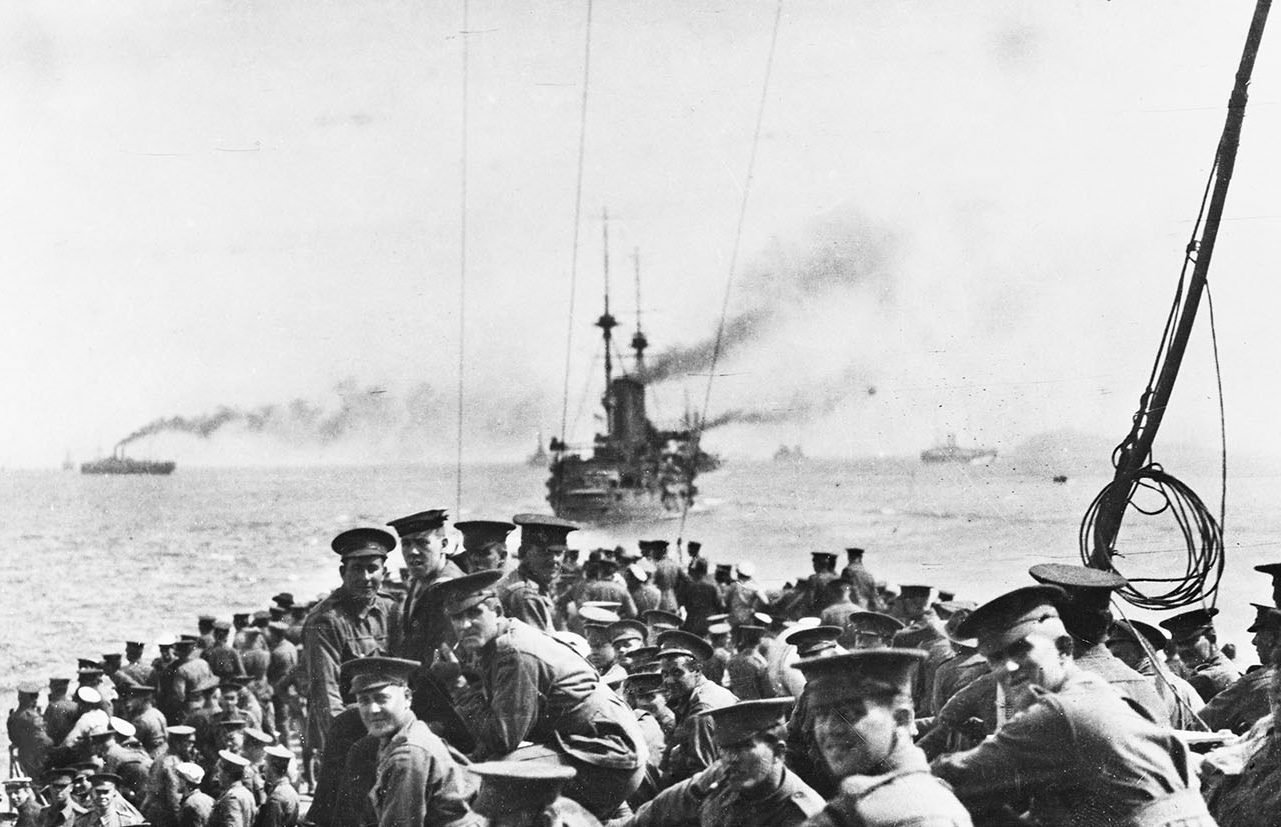
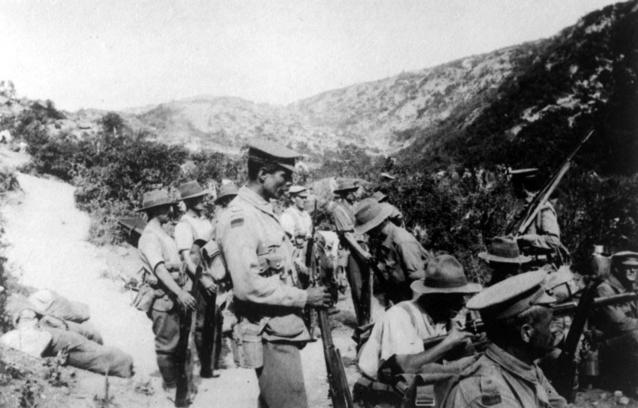
ANZAC Cove, 25th April 1915
“At 4.30 a.m. on April 25, 1915, the 10th Battalion, with the rest of the 3rd Brigade, began to land. Men of the 10th were among the very first to set foot upon the Gallipoli Peninsula.”
C.E.W. Bean, Official History of Australia in the War of 1914–1918, Vol. I
Sergeant Francis Ford would have been in the first group of ANZAC troops to land. The battalion has the distinction of gaining the most ground in the campaign — all straight after the initial landing, though losing most of it in the following days.
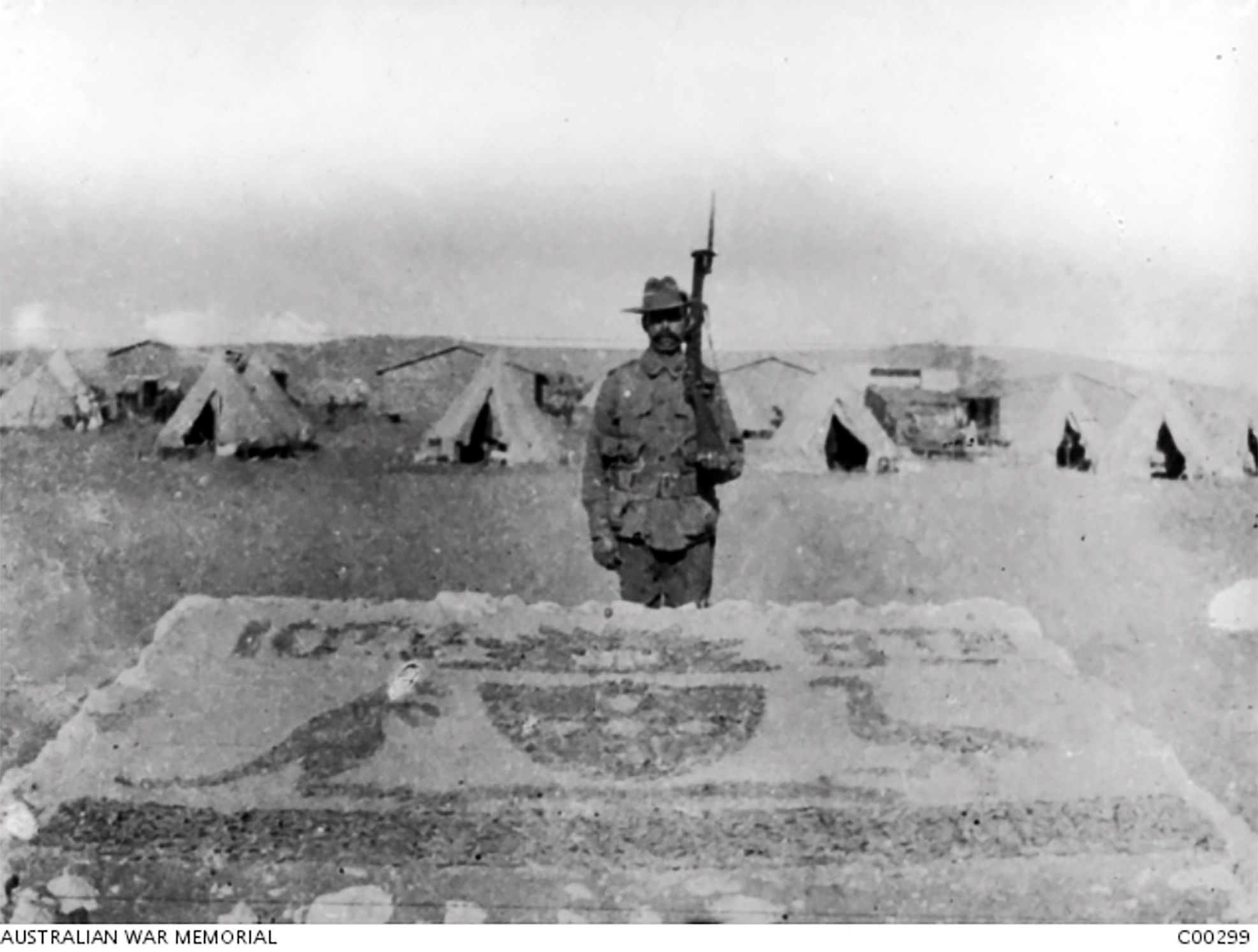
A reliable watch would be essential in the military camp. Imagine it ticking towards the hour of departure as the ships eased towards the shoreline, dark shapes in the night. Into the dawn of Australia’s longest day: 16,000 troops, 2,800 of whom would perish on the first day. In the 10th, 980 soldiers took part — nearly 1 in 10 were killed. Francis Ford was among the fortunate survivors.
First in — Last out
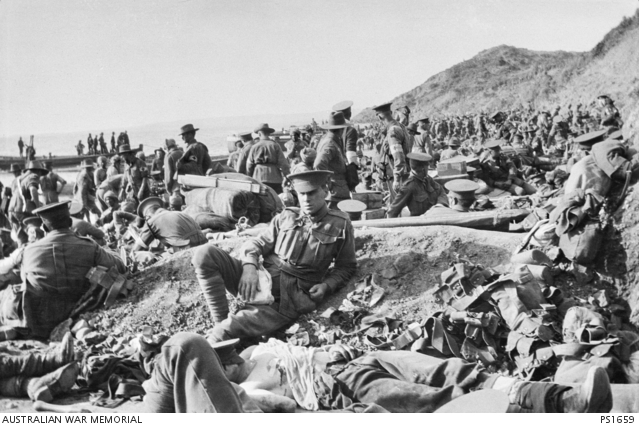
After eight brutal months of trench warfare, disease, and loss, the decision was made to evacuate the ANZAC position. The 10th Battalion was chosen to form the rear guard for the withdrawal — the men who would stay behind until the very end to cover the retreat.
On the night of 20–21 December 1915, the 10th Battalion was the last ANZAC AIF unit to leave the Gallipoli Peninsula.
“The 10th Battalion, which had been the first ashore at Anzac, was the last to leave it.”
Australian War Memorial, Unit Summary for 10th Battalion AIF
After the Dardanelles
Ford continued through Egypt and France, rising to Company Quartermaster Sergeant before reverting to Sergeant at his own request. He suffered from neurasthenia — what we now recognise as post-traumatic stress — and in March 1918 he was discharged as “medically unfit.” His discharge was marked “not due to misconduct,” a quiet official phrase that speaks volumes. After surviving Gallipoli and the Western Front, his war was finally over. He returned to South Australia in 1918, and his watch passed down through the generations to this moment.
A Survivor
This watch is an extraordinarily rare survivor: one of the earliest Rolexes, one of the earliest wristwatches taken to war by an Australian soldier, and according to our research, the only gold Rolex (probably) worn during the Gallipoli landings.
Its dial still carries the red XII that guided soldiers in the dark. Its movement — the Rebberg calibre — is clean, simple, and reliable. And its story now joins that of the men who climbed the cliffs of ANZAC Cove at dawn in 1915.
“This little watch stood on the edge of two worlds — the old age of pocket watches and empire, and the new age of wristwatches and remembrance.”
From a jeweller’s shop in London to the cliffs of Anzac Cove, Sergeant Francis Charles Ford’s gold Rolex marks time not only in minutes and hours, but in history itself.
Sources & Further Reading
National Archives of Australia: Service Record — Sgt. Francis Charles Ford, 10th Battalion AIF, No. 411 · Australian War Memorial: Unit Summary, 10th Infantry Battalion AIF · AWM War Diary, 10th Battalion, April 1915 · C.E.W. Bean, Official History of Australia in the War of 1914–1918, Vol. I