Panda Diplomacy and the QANTAS connection – an important Chinese painting by Zhang Zhenshi
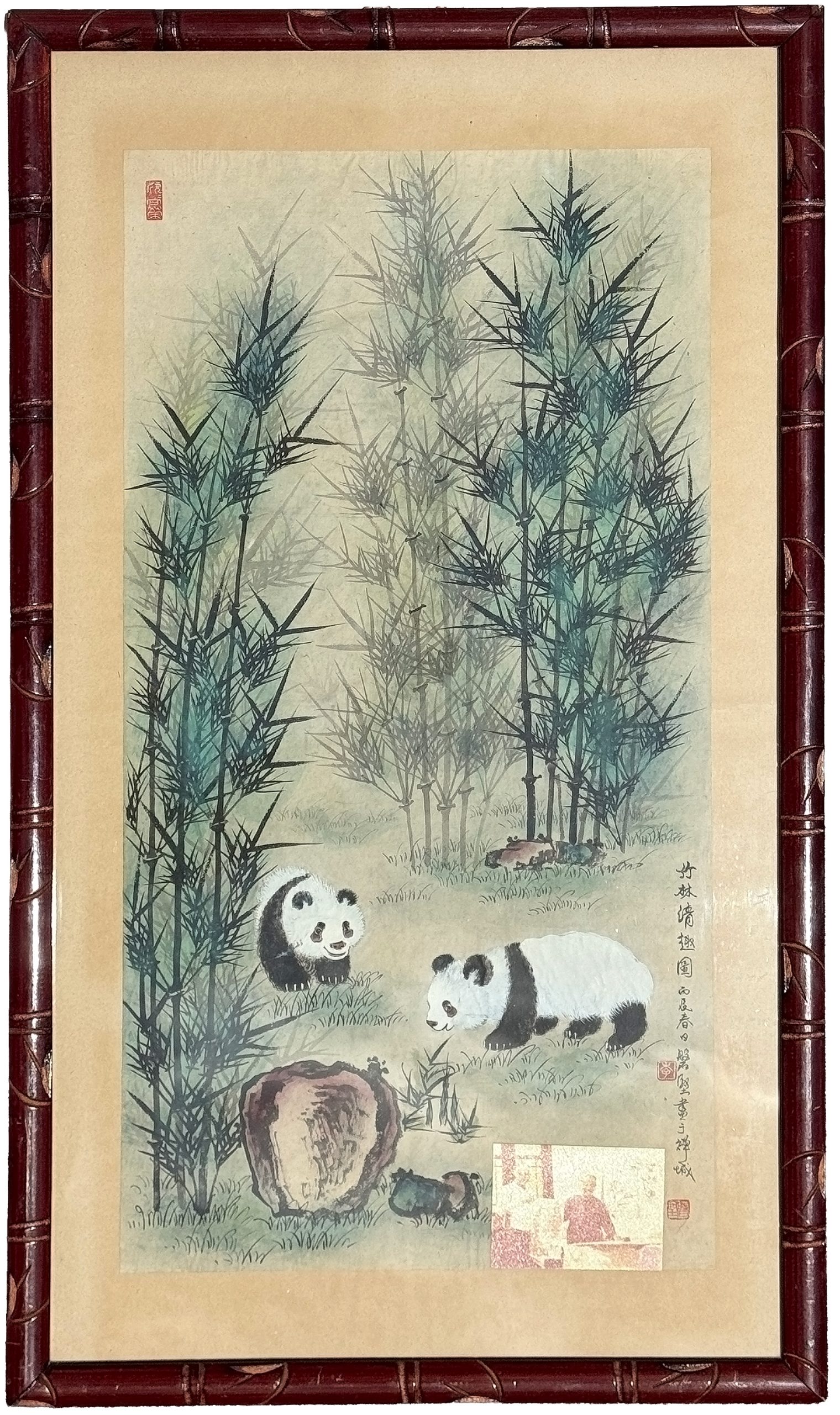
Zhang Zhenshi (1914–1992) — “Pure Delights of the Bamboo Grove”
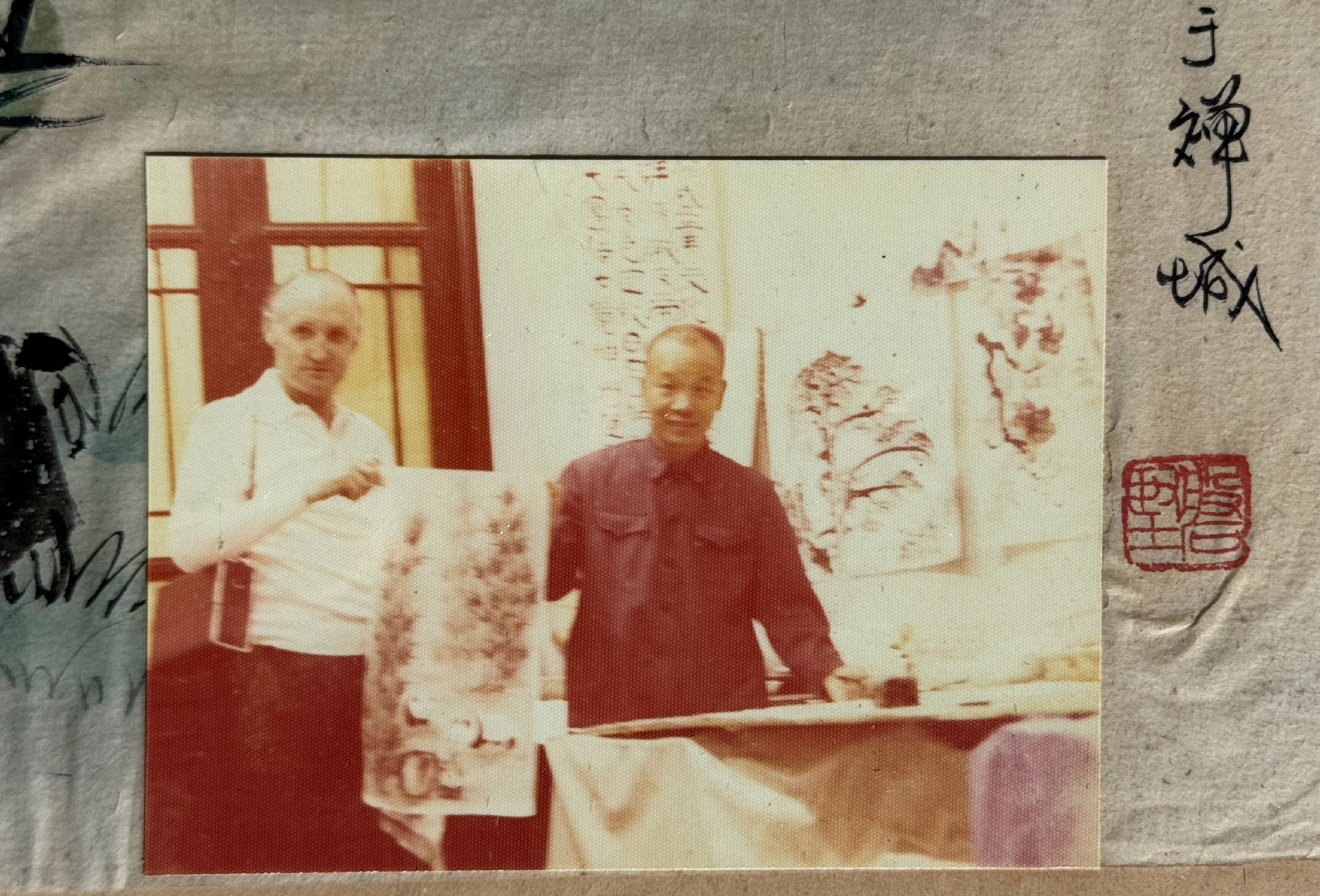
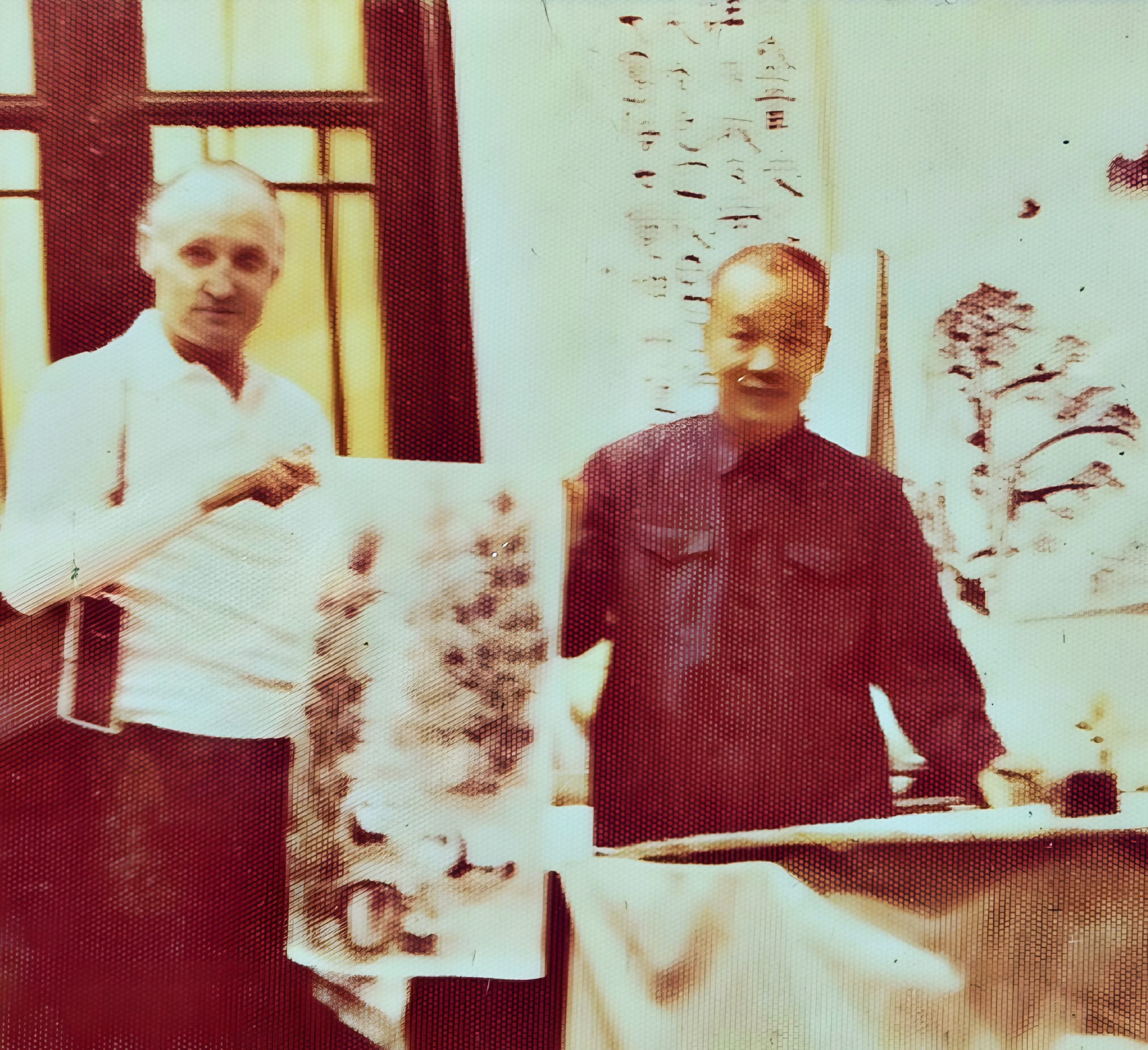
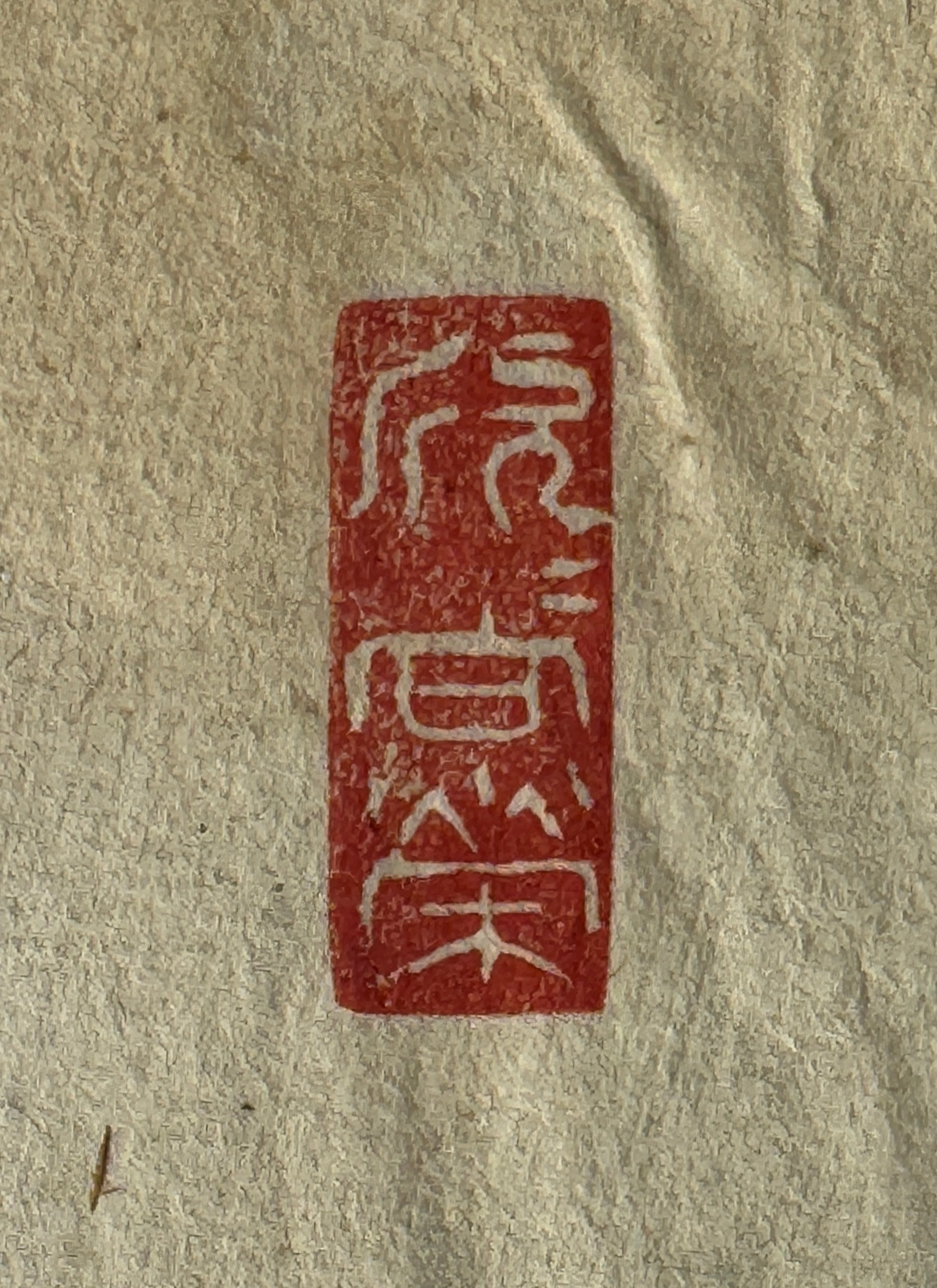
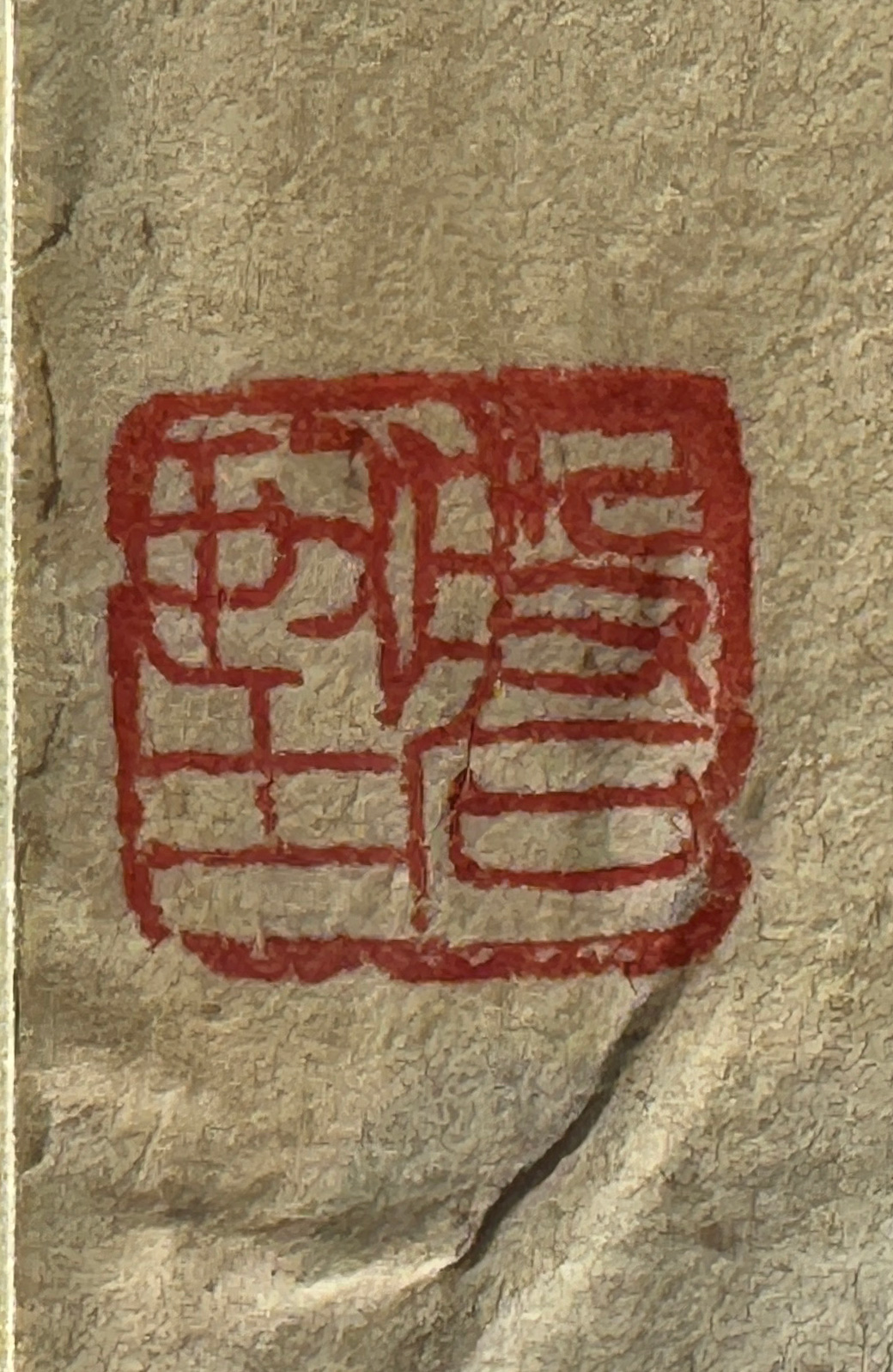
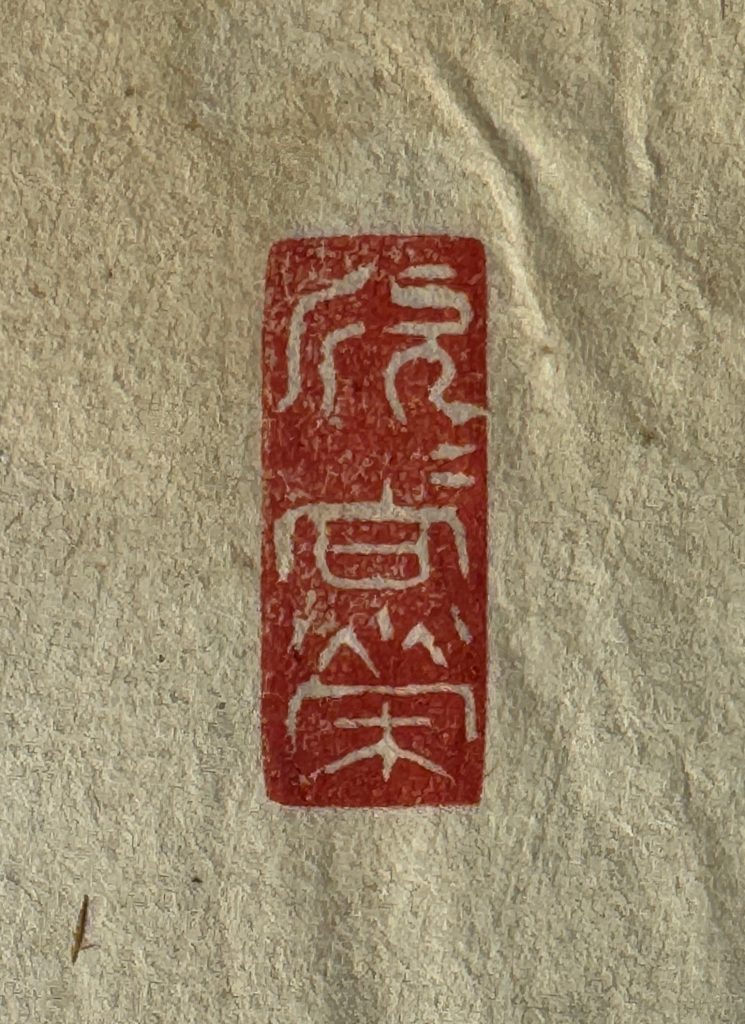
Inscribed with title and dedication, signed, and bearing three red artist’s seals, along with an enclosed photograph of the painting being presented to . Circa 1979.
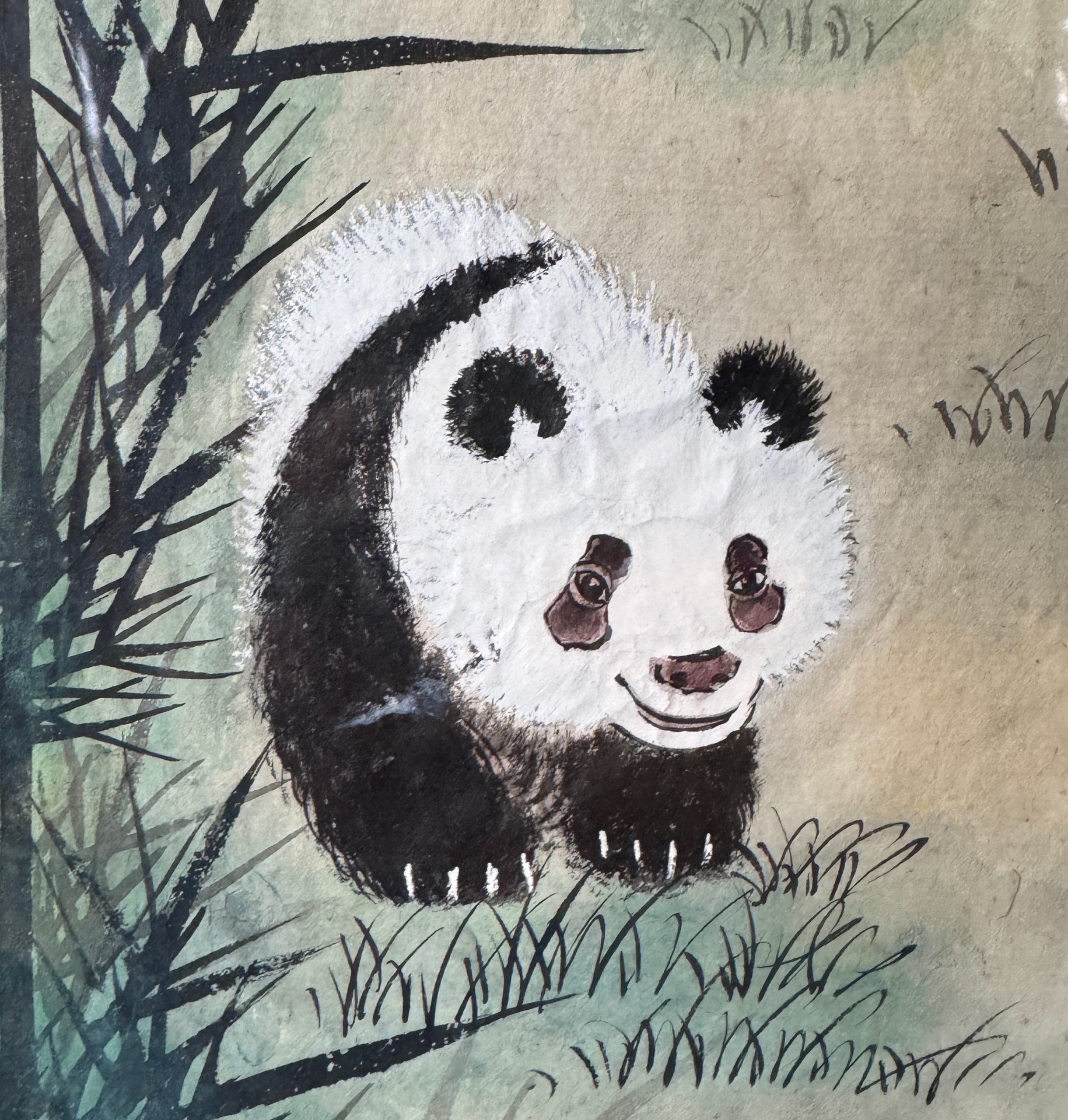
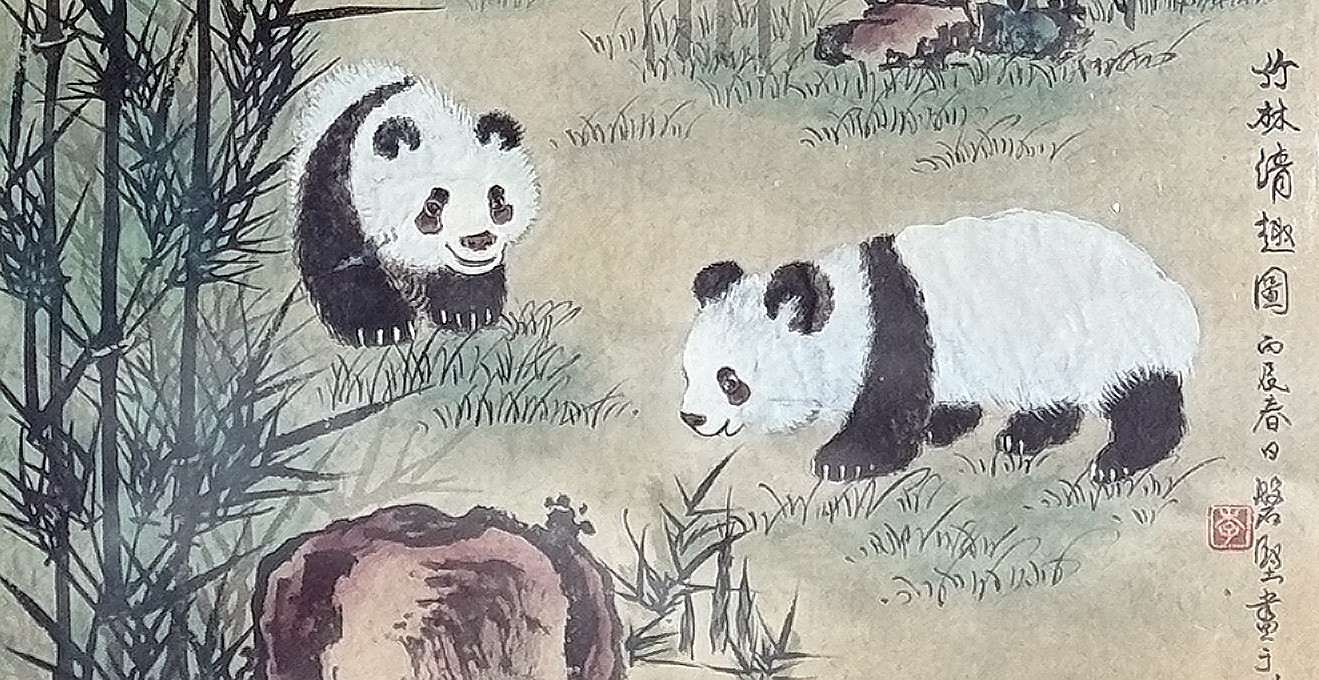
A charming composition by one of modern China’s most important realist painters — celebrated for his iconic portrait of Mao Zedong. This work reflects the cultural diplomacy of the late 1970s, with pandas symbolising peace and goodwill between China and the West. The painting depicts two playful giant pandas nestled among bamboo groves, executed with lively ink brushstrokes and gentle colour washes. The artist’s skilled hand is evident in the nuanced rendering of the pandas’ fur and the rhythmic composition of bamboo leaves.
The painting has been preserved in excellent condition in its original frame, with colours remaining vibrant and the paper support stable.
The QANTAS Connection
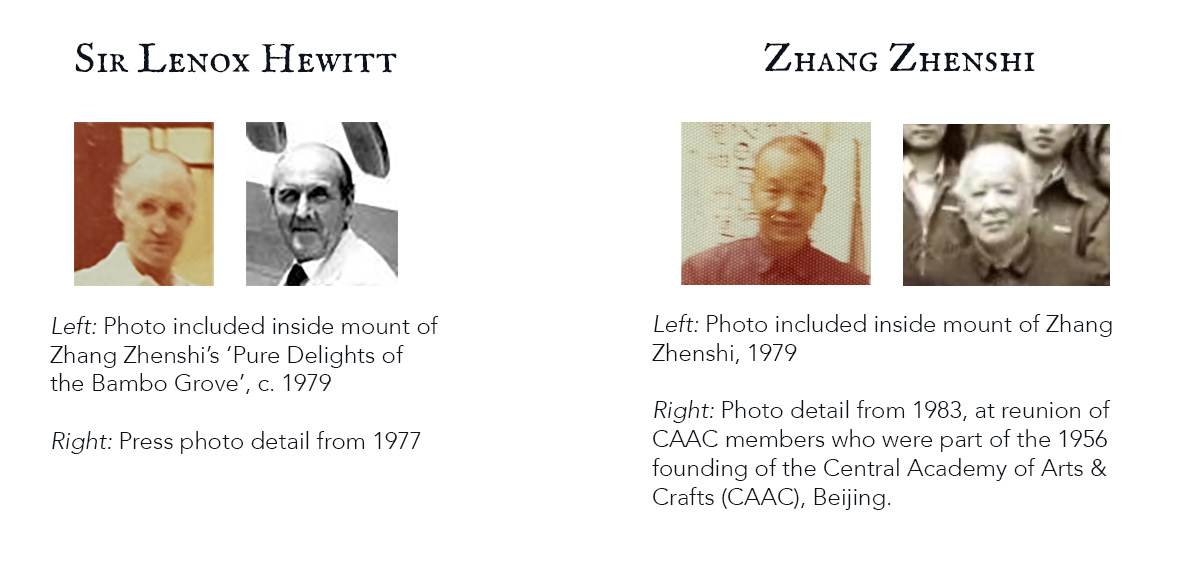
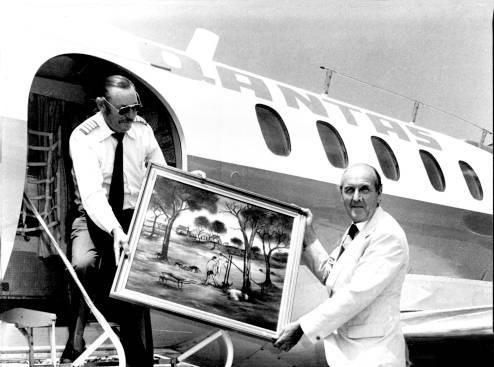
Included within the framed work is a period photograph (late 1970s) of Zhang Zhenshi presenting the finished painting to a visiting QANTAS Airways executive — a moment that confirms the work’s provenance and diplomatic context. This places the painting firmly within the cultural exchange programmes of the era, when China was opening to the West and panda gifts (‘Panda Diplomacy’) had become potent symbols of goodwill.
The Inscription, Signature & Seals
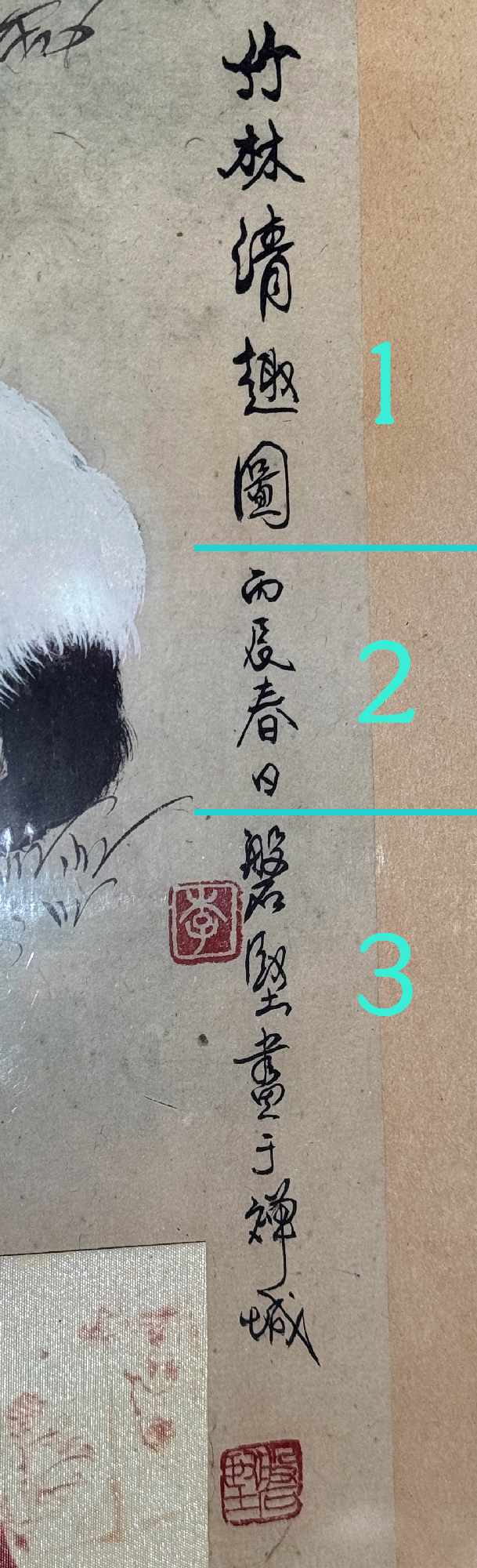
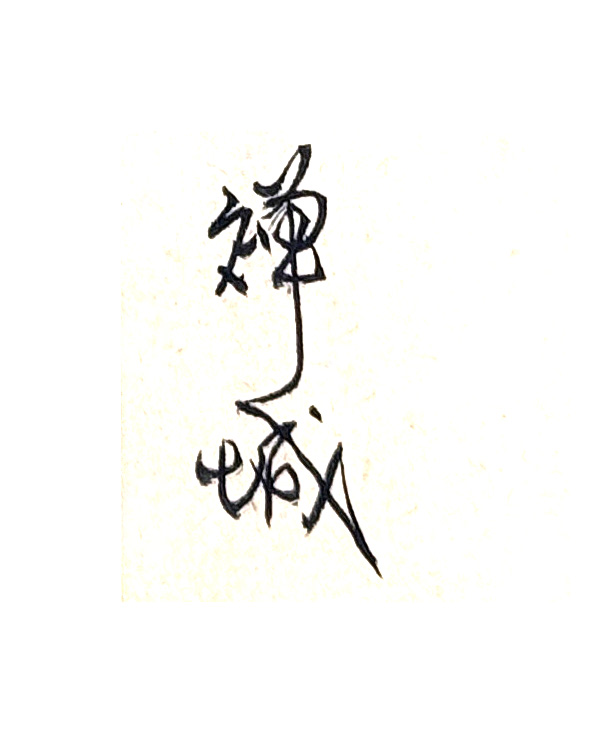
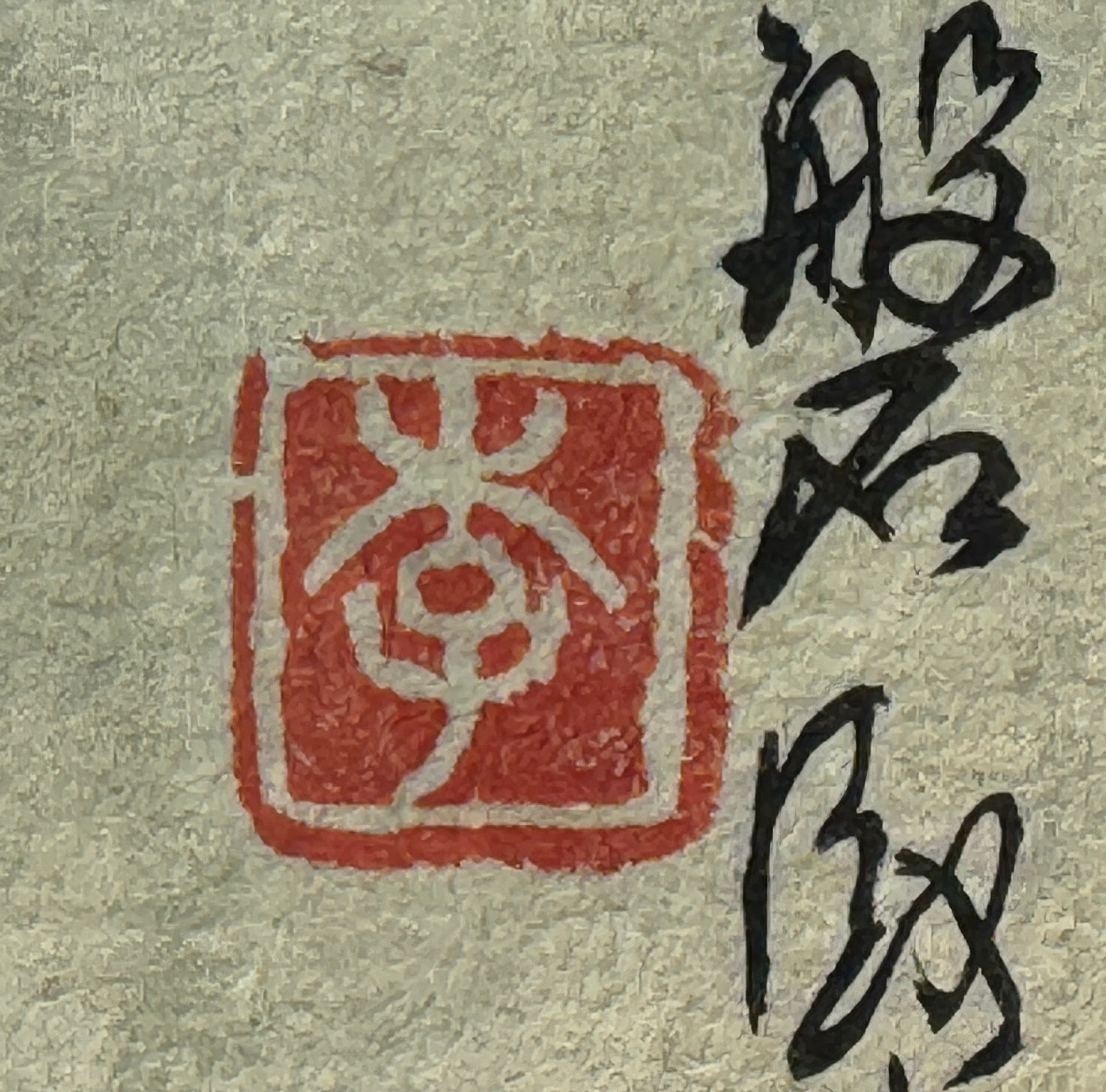
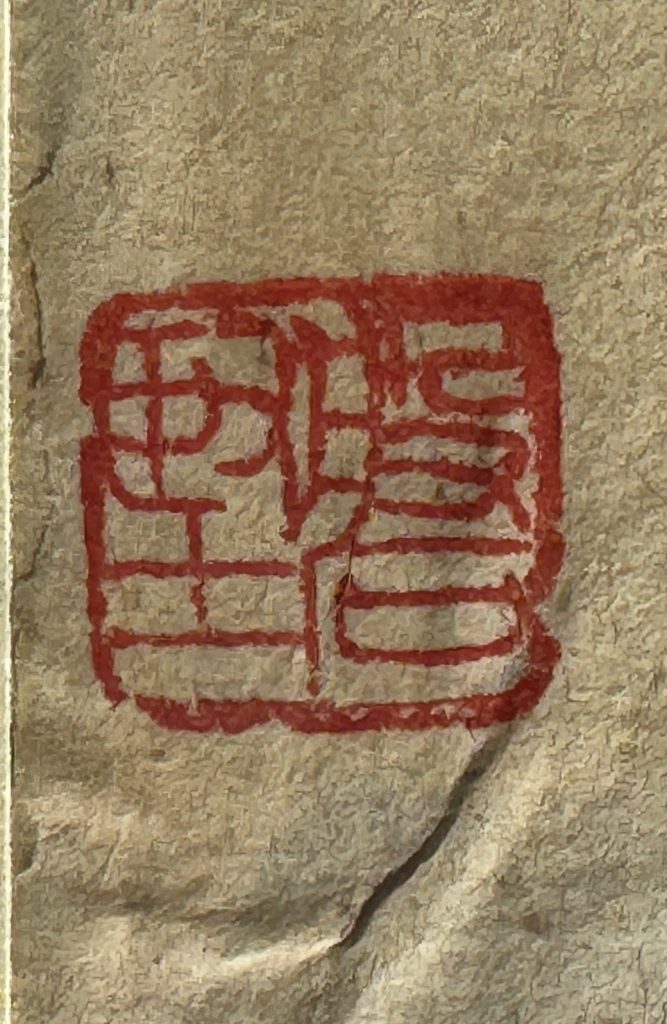
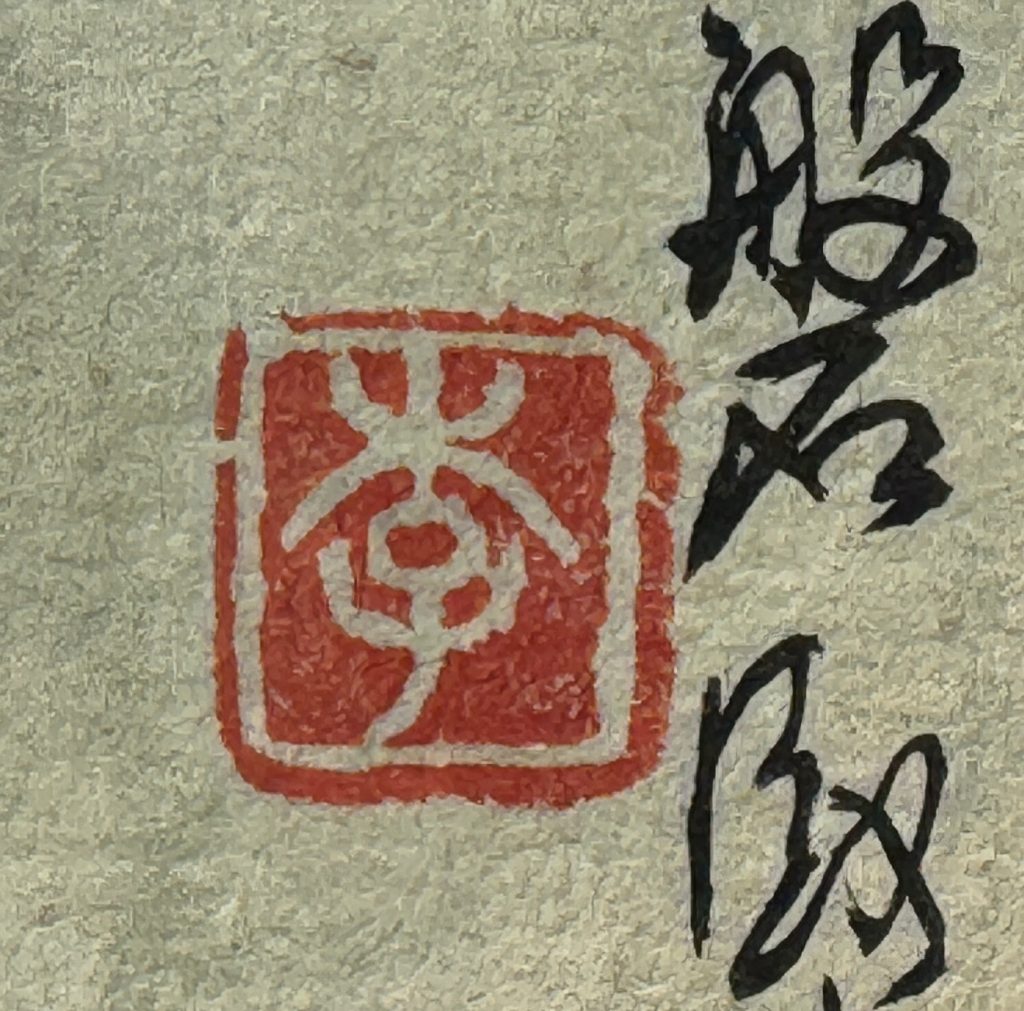
The three red seals corroborate authorship — the middle seal contains the character 夢 (mèng), meaning “Dream,” which appears in Zhang’s other known works. The style of inscription and dedication (“…並題” meaning both painted and inscribed) is highly typical of Zhang Zhenshi’s traditional brush painting pieces, particularly those done in his later career (1970s–80s).
Zhang Zhenshi — The Artist
Zhang Zhenshi (1914–1992) was one of the most significant Chinese artists of the 20th century. From 1950 to 1957, he served on the team that created the official monumental portrait of Mao Zedong for Tiananmen Gate in Beijing — a 4×8 metre work that remains the most recognisable icon of the foundation of Communist China. In 1977 he painted a renowned portrait of Premier Zhou Enlai. These achievements cemented his status as a leading figure in Chinese art.
Zhang’s ability to blend academic realism with traditional Chinese aesthetics made him a pivotal figure of the socialist realist movement, and his oeuvre is celebrated for its technical precision and fluent brushwork.
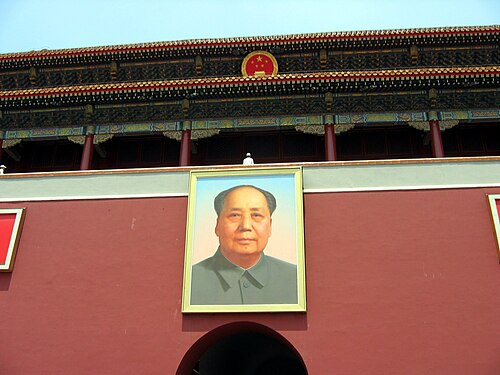
Zhang Zhenshi (1914-1992) was a leading 20th-century Chinese realist painter and art educator, revered for his masterful portraits and expressive brushwork. He is best known as the artist behind one of the most iconic portraits of Chairman Mao Zedong – an image that became the most widely reproduced depiction of Mao in history.
From 1950 to 1957, Zhang served on the team that created the monumental official portrait of Mao Zedong for Tiananmen Gate in Beijing; in 1977 he painted a renowned portrait of Premier Zhou Enlai. These achievements cemented his status as a leading figure in Chinese art.
Zhang’s ability to blend academic realism with traditional Chinese aesthetics made him a pivotal figure of the socialist realist movement in China, and his oeuvre is celebrated for its technical precision and fluent brushwork.
This painting depicts two playful giant pandas nestled among bamboo groves, executed with lively ink brushstrokes and gentle colour washes. Zhang’s skilled hand is evident in the nuanced rendering of the pandas’ fur and the rhythmic composition of bamboo leaves – a testament to his command of traditional guohua (ink-and-colour) painting techniques. Although primarily celebrated for oil portraits, Zhang demonstrates in this work a seamless adaptability to the Chinese ink medium, infusing the scene with both realism and spirited elegance. ‘Bamboo Forrest Delights’ is undated, but historical context allows us to date it to 1979, during a period when the giant panda had emerged as a cherished symbol of friendship in China’s cultural diplomacy. The subject choice – coinciding with this era of “panda diplomacy” – imbues the work with an added layer of cultural significance as an emblem of goodwill and cross-cultural friendship.
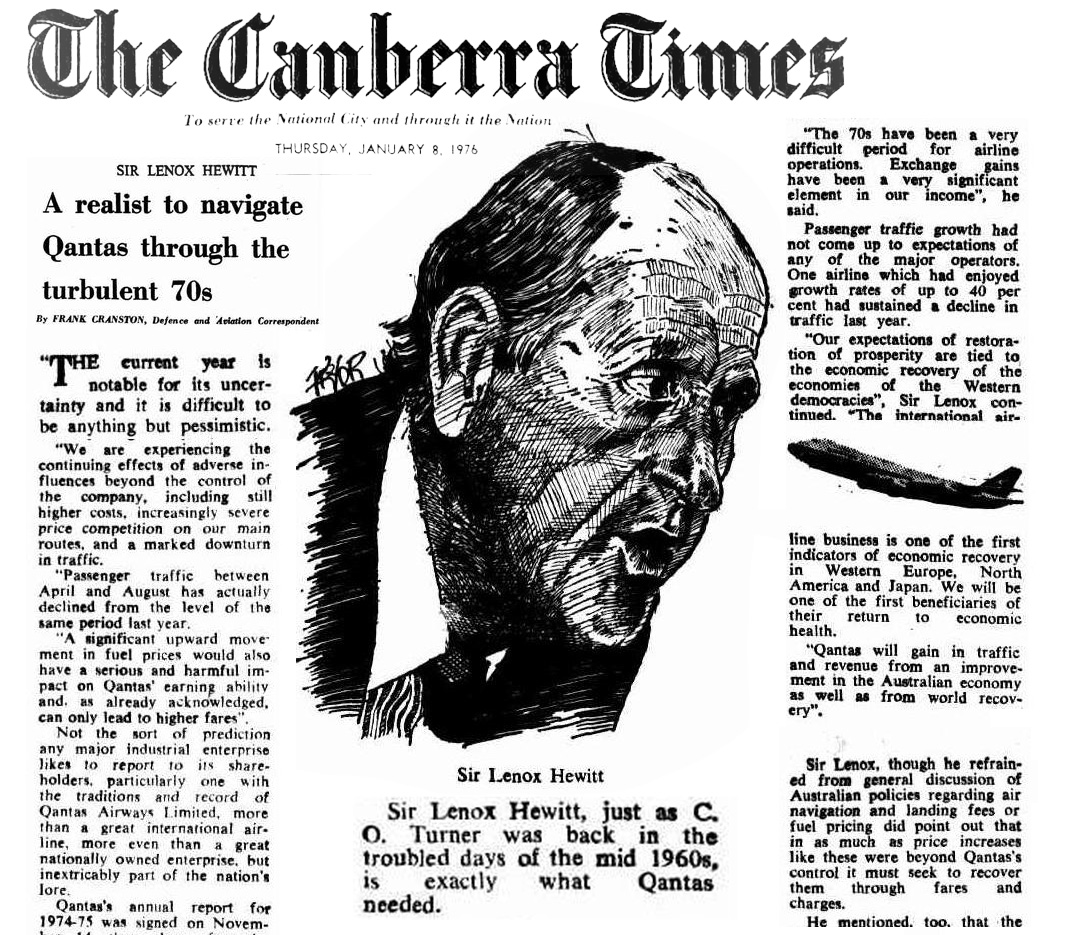
Provenance for this work is exceptionally well-documented and integral to its history. In a rare convergence of art and documentation, a vintage photograph is attached to the painting’s mounting, capturing Zhang Zhenshi himself formally presenting ‘Bamboo Forrest Delights’ to a Western visitor identified as Sir Lenox Hewitt, (1917-2020), in his role as Qantas Airways executive. This presentation took place in the late 1970s as part of a cultural exchange between China and Australia – a time when China was actively fostering goodwill with Western nations through art and symbolic gestures. The inclusion of the photograph not only incontrovertibly confirms the painting’s authenticity and direct transmission from the artist, but also situates the piece within the broader narrative of Sino-Australian relations during the post-Mao opening-up era. This unique provenance, bridging personal connection and international diplomacy, greatly enhances the work’s scholarly and collectible value. Notably, the painting has been preserved in excellent condition, with its colours remaining vibrant and the paper support stable. The affixed photo, though bearing slight age-related toning, remains clear – an enduring witness to the artwork’s historic moment of exchange and a compelling testament to its cultural significance.
Australia established diplomatic relations with the People’s Republic of China in 1972, and Qantas soon became involved in official exchanges. In October 1973, Prime Minister Gough Whitlam flew to Beijing aboard a Qantas Boeing 707 – the first visit by an Australian PM to Communist China. This historic flight, operated by Qantas (“City of Canberra” 707), symbolically opened the air route for Australia-China diplomacy.
Qantas’s presence continued the next year when Deputy PM and Trade Minister Jim Cairns led the Australian Trade Exhibition in Beijing in 1974, which was Australia’s first major showcase in China. Qantas provided special charter flights to support this expo – notably including a Boeing 707 freighter that delivered 30 live cattle and 90 sheep for a livestock display!
Provenance:
Accompanied by an original integral mounted photograph of the artist presenting the work to QANTAS chairman Sir Lenox Hewitt, circa 1979; inserted and framed most probably in China before being sent back to Australia; purchased from the family earlier 21st century.