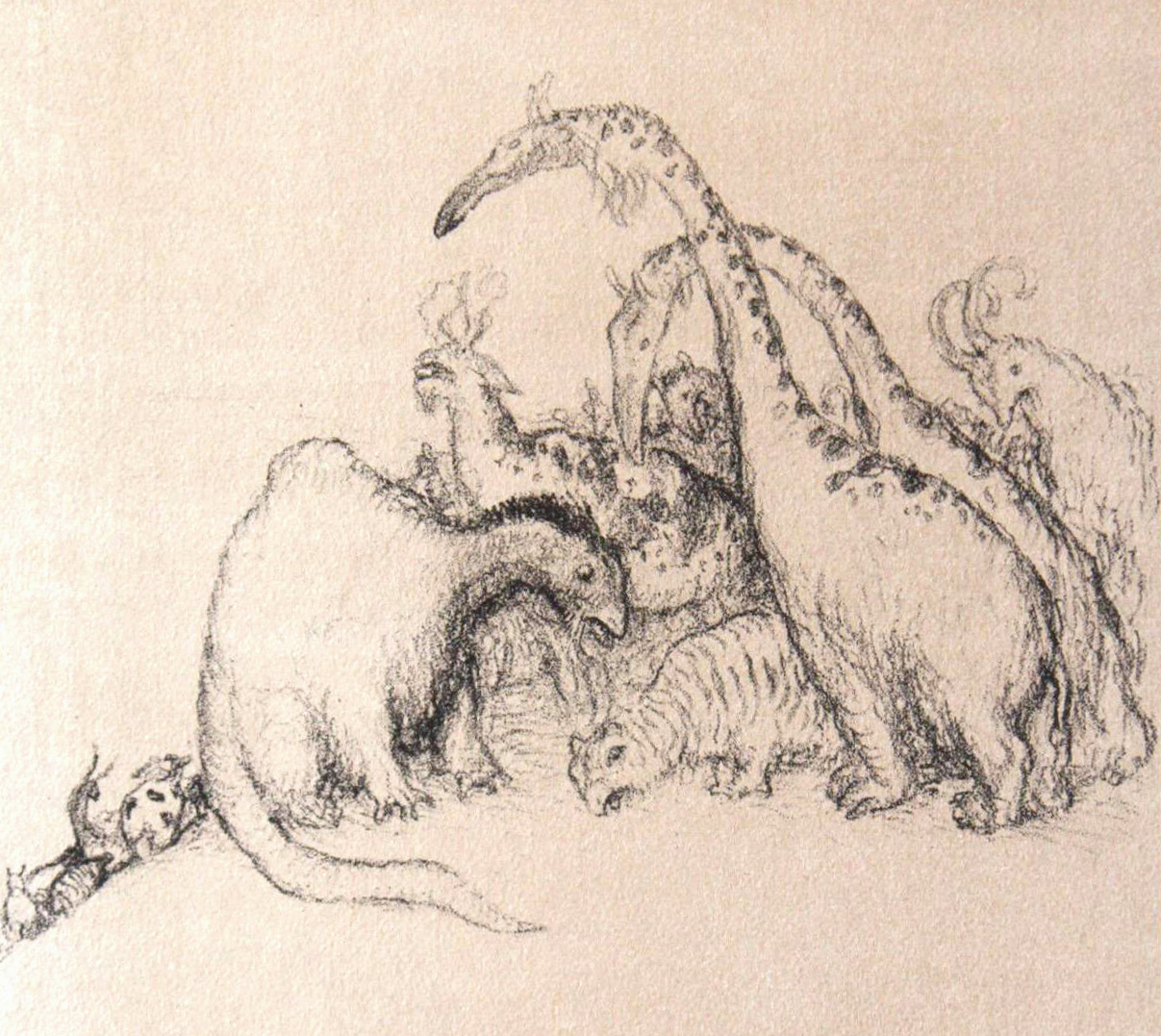
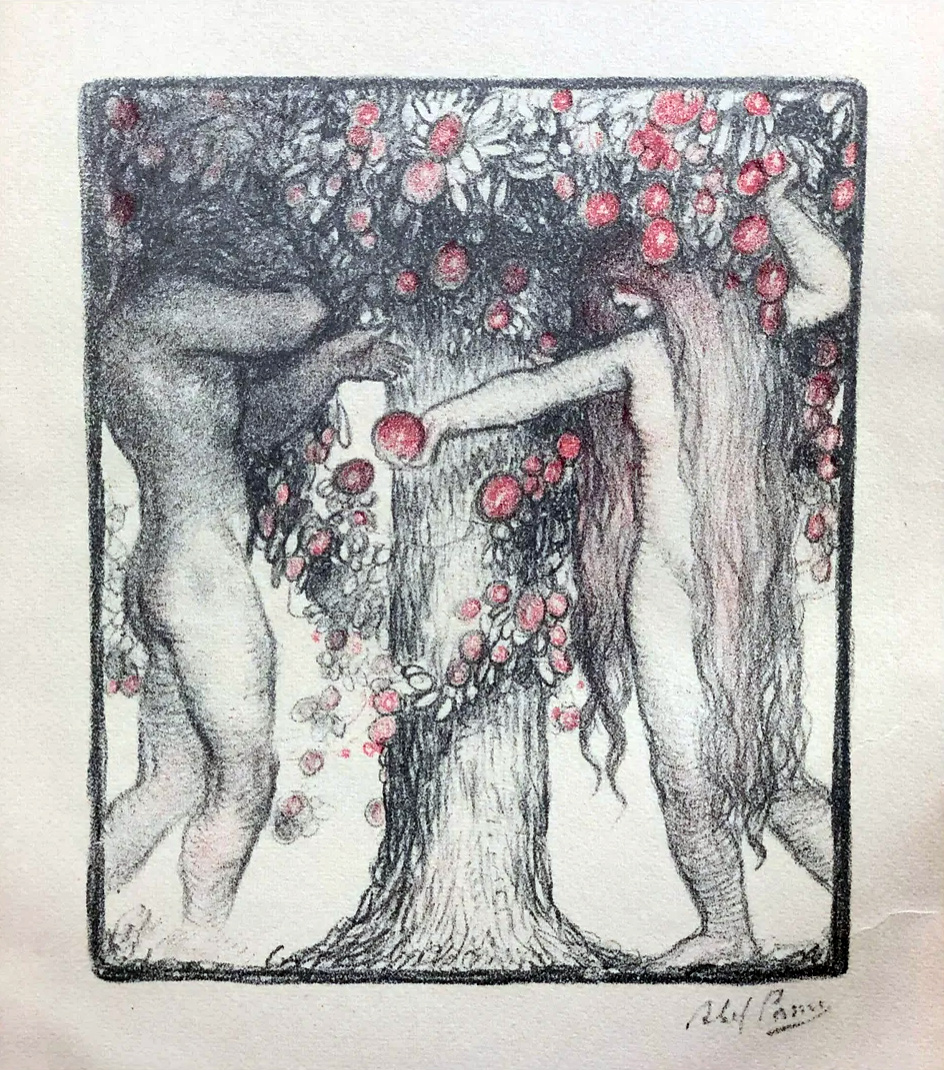
Abel Pann: Garden of Eden, 1916

Garden of Eden, 1916 — Abel Pann
Abel Pann (1883–1963) created this fascinating triptych while trapped in wartime Paris. While it has all the required symbols for a Bible illustration — the snake, the apple, the expulsion — the figures are conspicuously not the flowing-haired idealised figures of Renaissance tradition. Instead they look like the people he was seeing every day: refugees, the displaced, the hunted. The Garden of Eden is not a paradise but a place of tragedy.
Pann was born Abba Pfeffermann in Kreslawka, Latvia in 1883. After studies in Vilna and Paris he established himself as a notable caricaturist. Caught in Paris when war broke out in 1914, he spent the war years making art that would document the suffering of the Jewish people caught between the great powers.


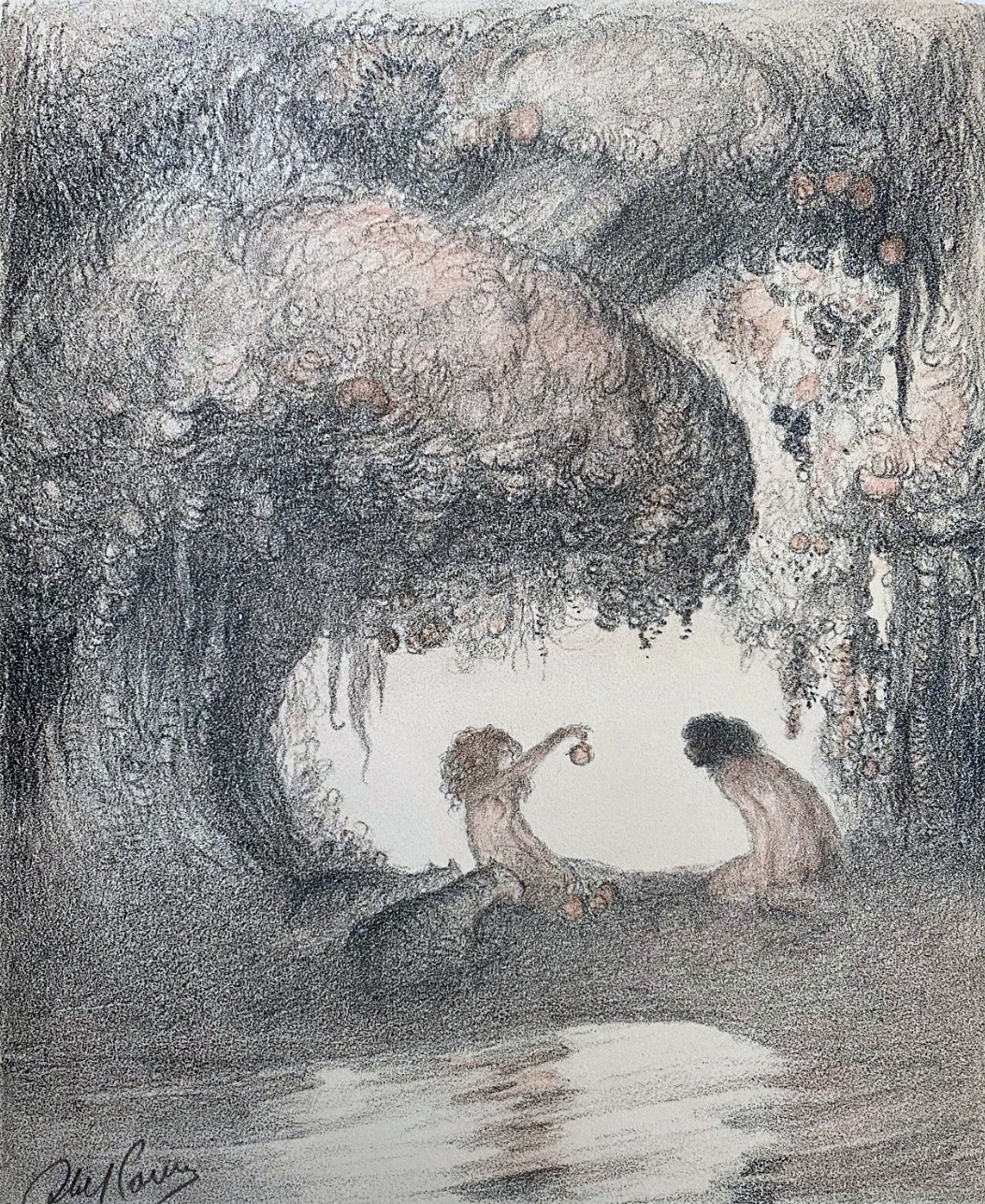
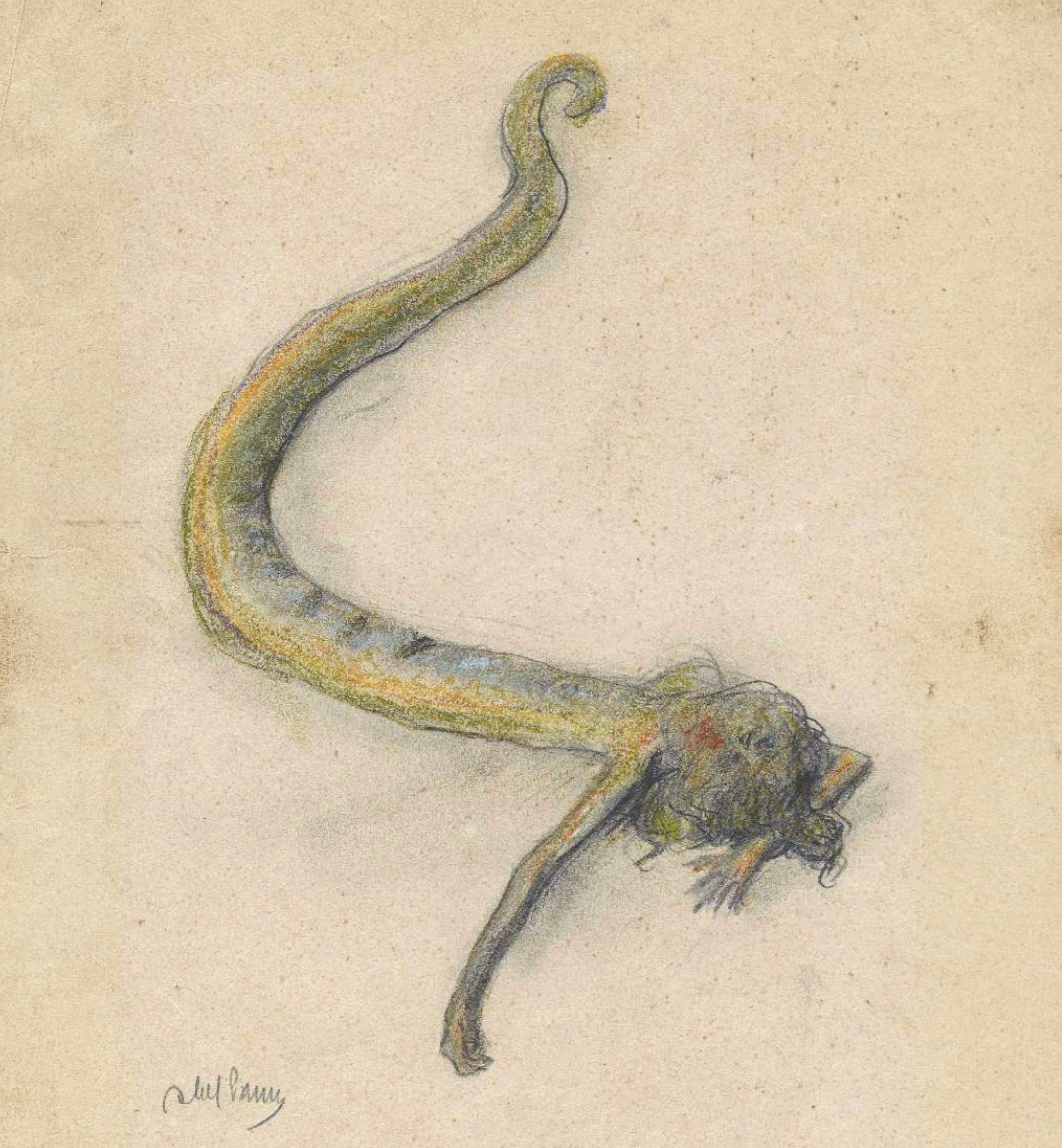
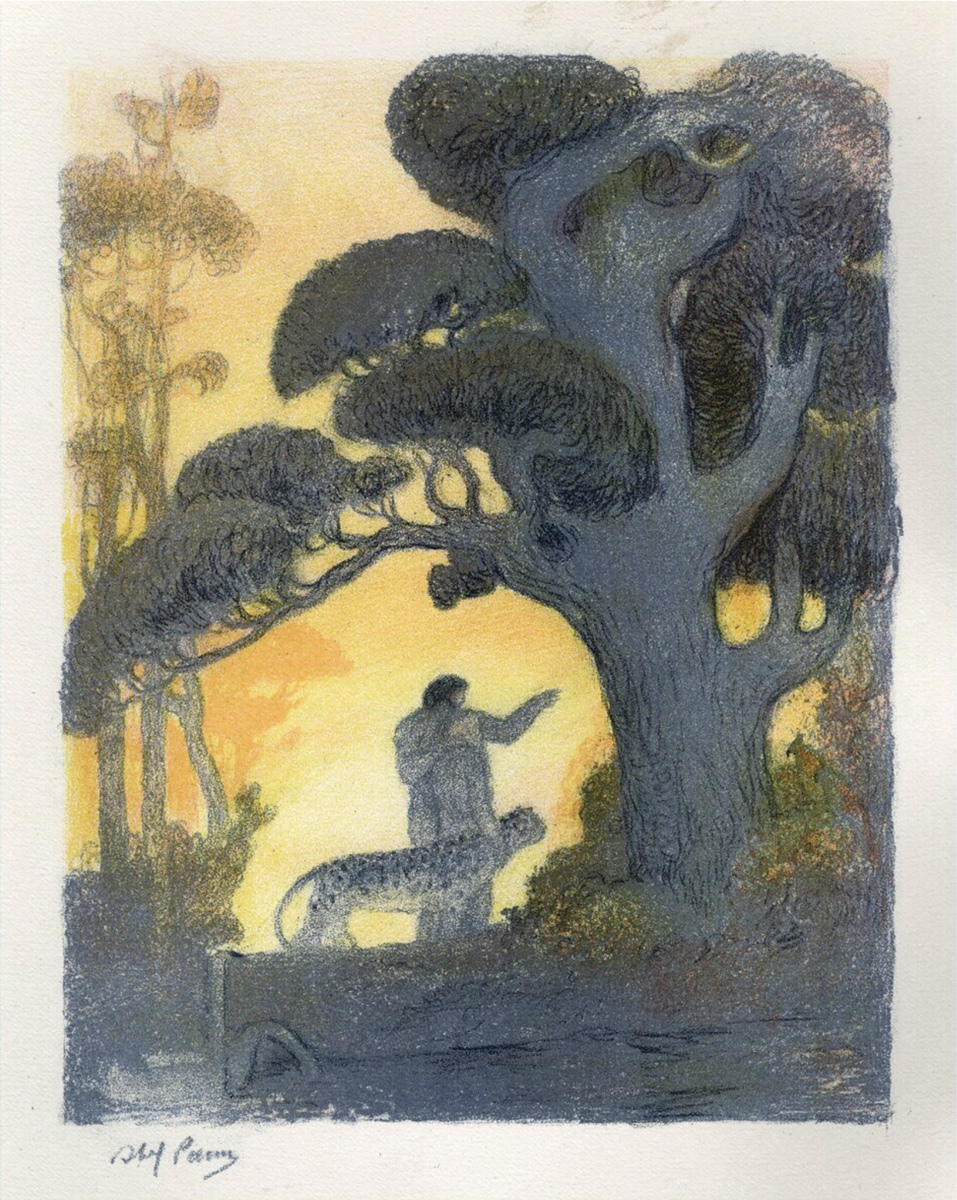
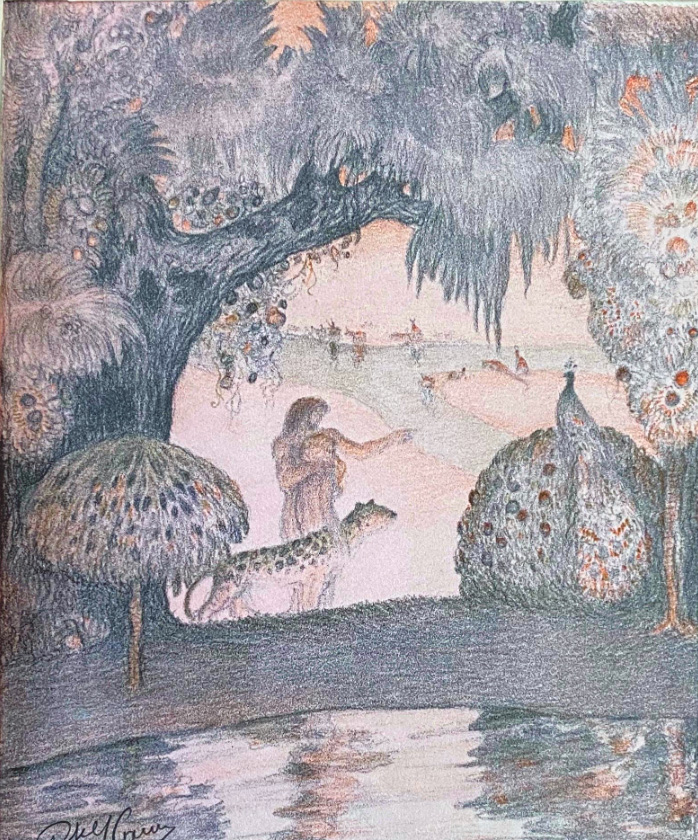

The Wartime Context — Les Traques (The Hunted), 1916–18
Pann’s stated intention during his Paris years was to record the real side of war — in particular the suffering of the Jewish people caught between the conflict of France, Germany, and the Allies. This resulted in a series of 20 lithographs, many of them extremely disturbing, showing mainly women and children killed by the war. An exhibition in America was praised; the same show in Paris was banned as it “would show our allies in bad light” — those allies being Russia, which had used the German aggression as an excuse to begin erasing Jewish populations from their centuries-old towns.
Les Traques (The Hunted) is the same triptych format as the Garden of Eden and is dated 1916–18. The left panel — also engraved as a standalone work titled “Terror” — shows a young girl cowering in a corner with a small child. She glances over her shoulder in pure fear.


Jerusalem — and the Hebrew Bible
Pann finally returned to Jerusalem for good in 1920, bringing with him the first artist’s printing press and creating the first artistic prints in the city. He took up a teaching position at the Bezalel Academy but in 1924 gave this up to concentrate on his art. From this period his more common prints are found, as he set out to illustrate the Hebrew Bible — deeply influenced by the ancient landscapes and people of the Middle East around him, just as the Garden of Eden figures look like the refugees he had witnessed in Paris.