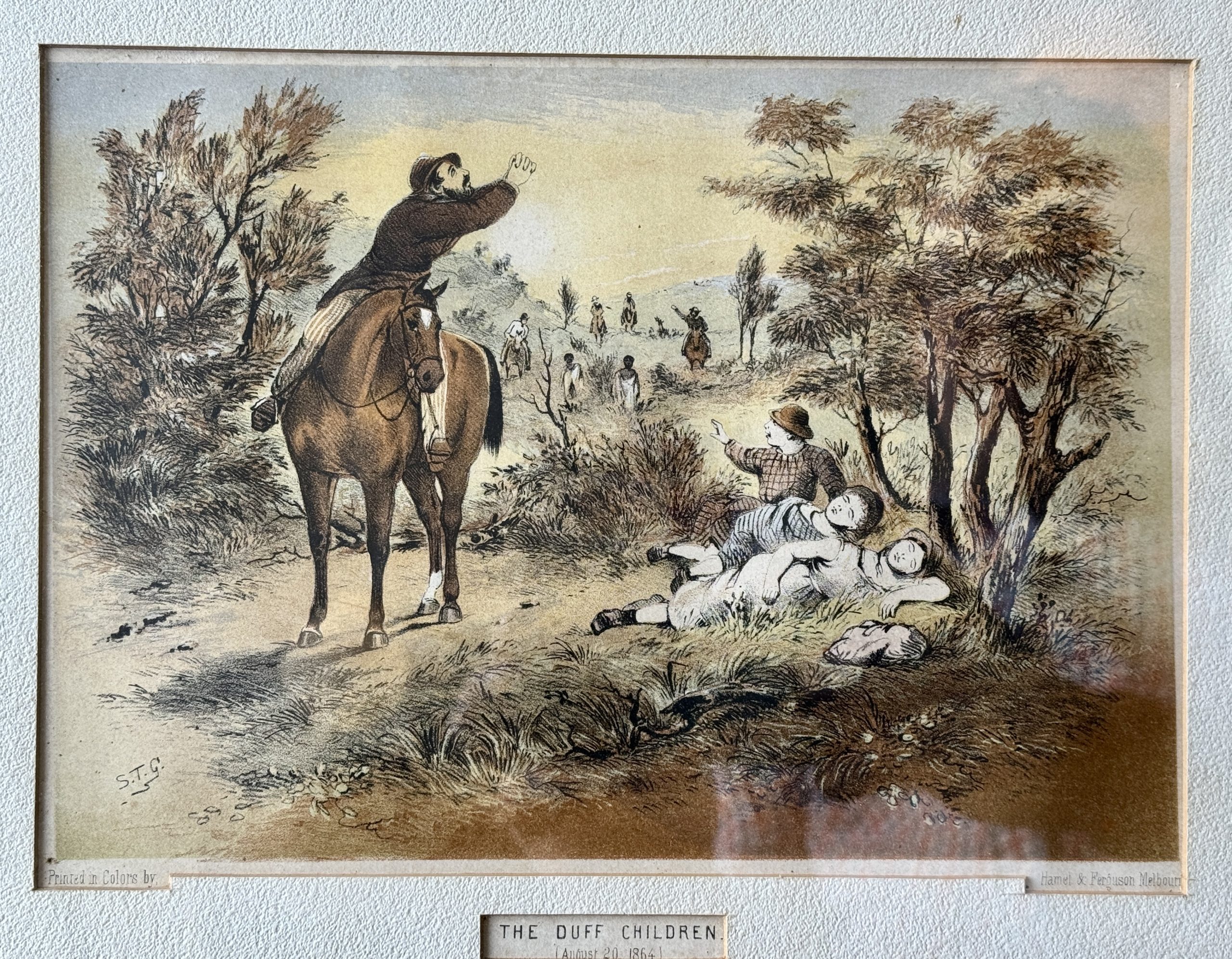
The Duff Children of 1864: S.T.Gill’s ‘Social Media’ post on a miraculous tale of survival.
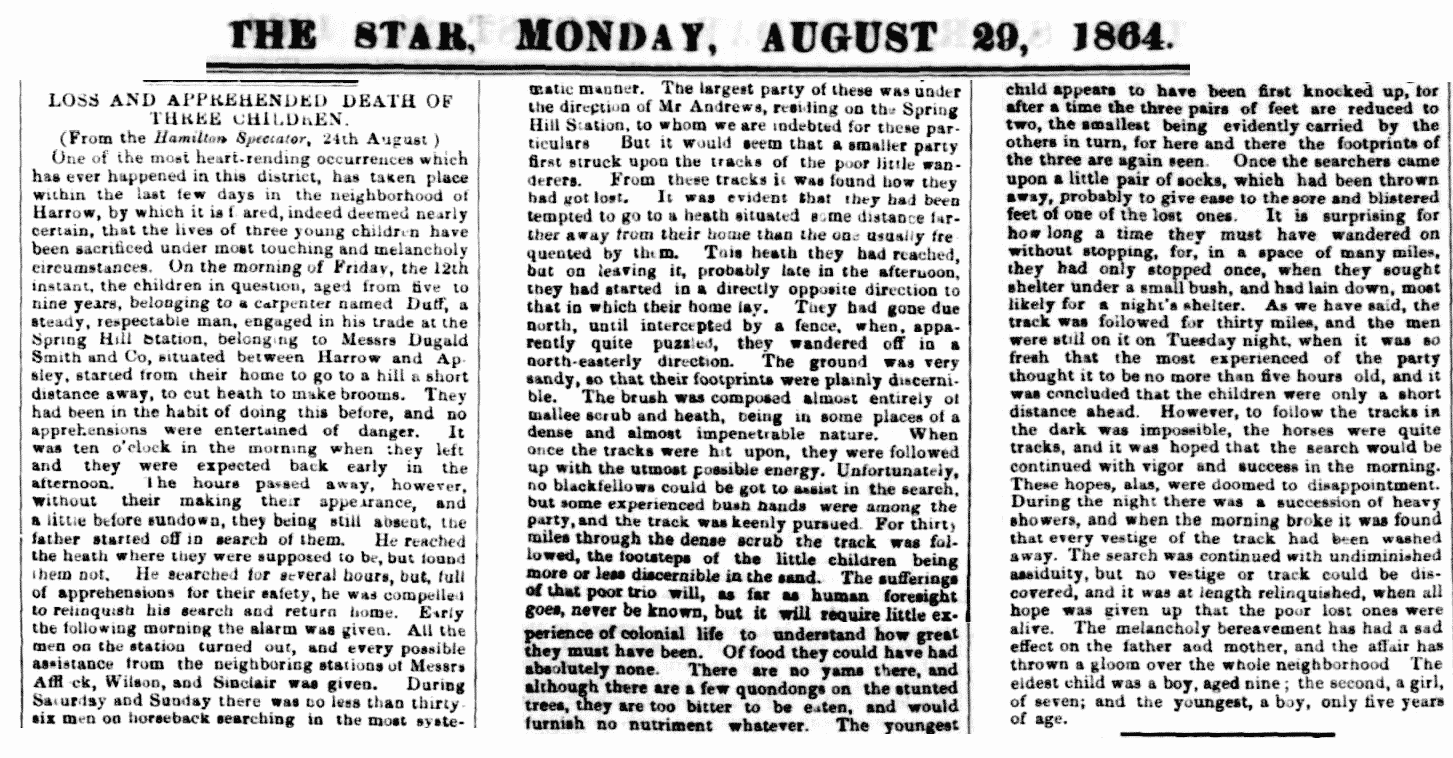
The disappearance of the Duff children in August 1864 remains one of the most widely reported “lost in the bush” episodes in colonial Victoria. Occurring near the Wannon River in the Western District, the event mobilised an unusually large and coordinated search effort, drawing settlers, police, and Aboriginal trackers into a region where open woodland, scrub, and stony rises made movement difficult even for experienced stockmen.
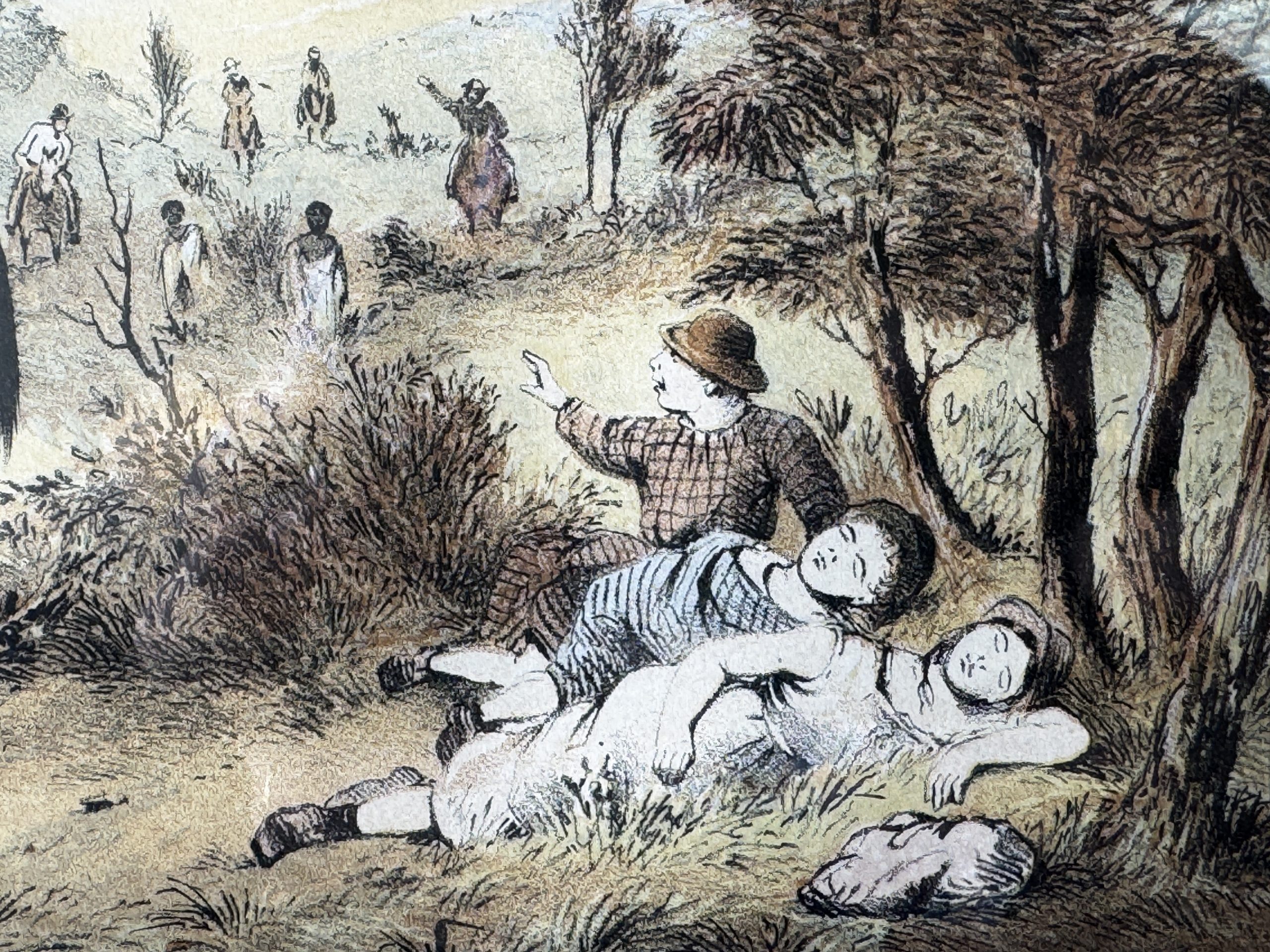
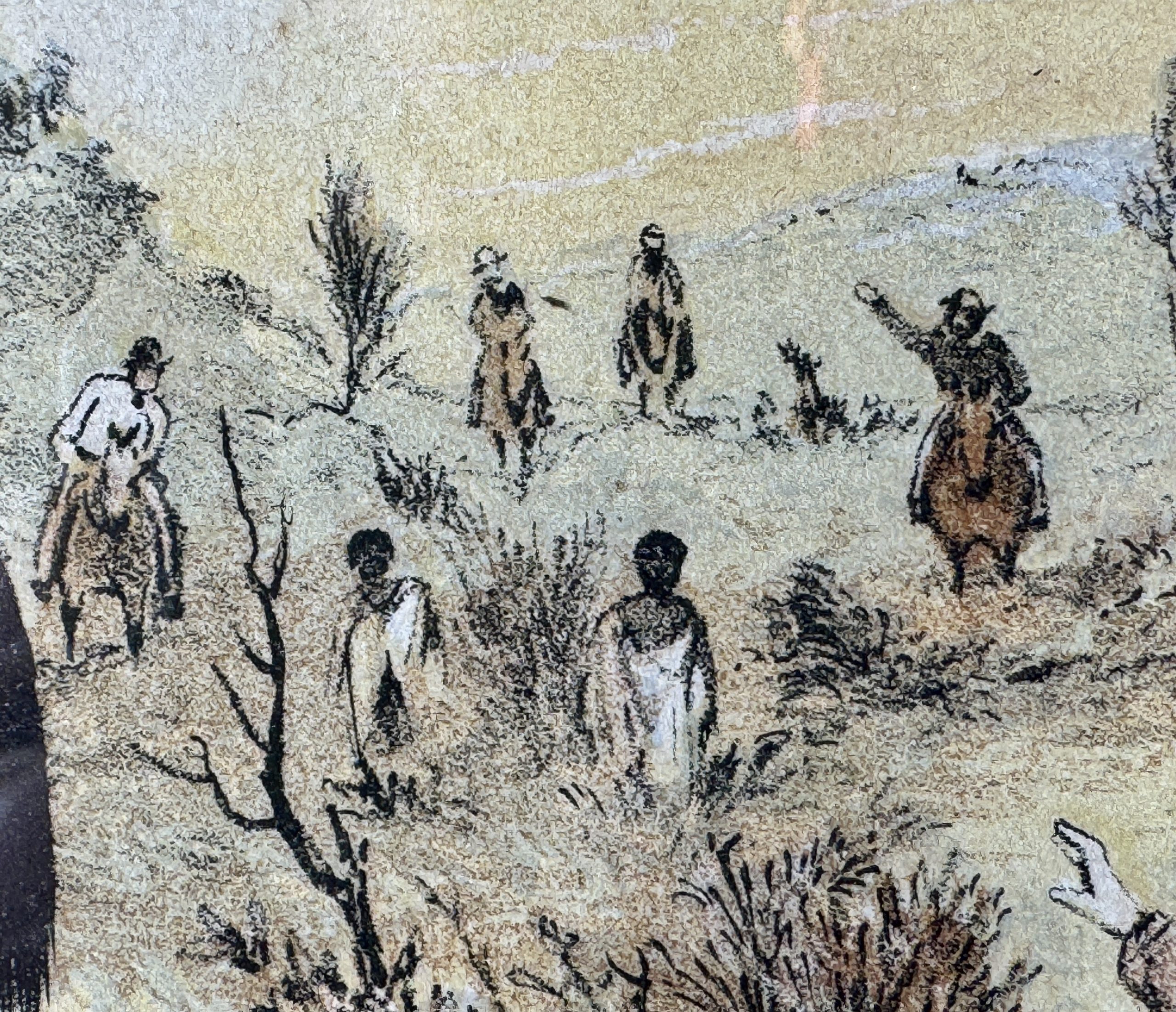
Isaac (9), Jane (7), and Francis Duff (4) left home one winter morning to look for stray cattle and simply did not return. As the first hours passed and then the first night, the community response was immediate. As the first day became a week, what had been a local alarm became a colonial event — reported in newspapers from Geelong to Melbourne, discussed in dispatches, and ultimately resolved by the skills of Aboriginal trackers who found the children alive after nine days.
S.T. Gill and the Victorian News Cycle
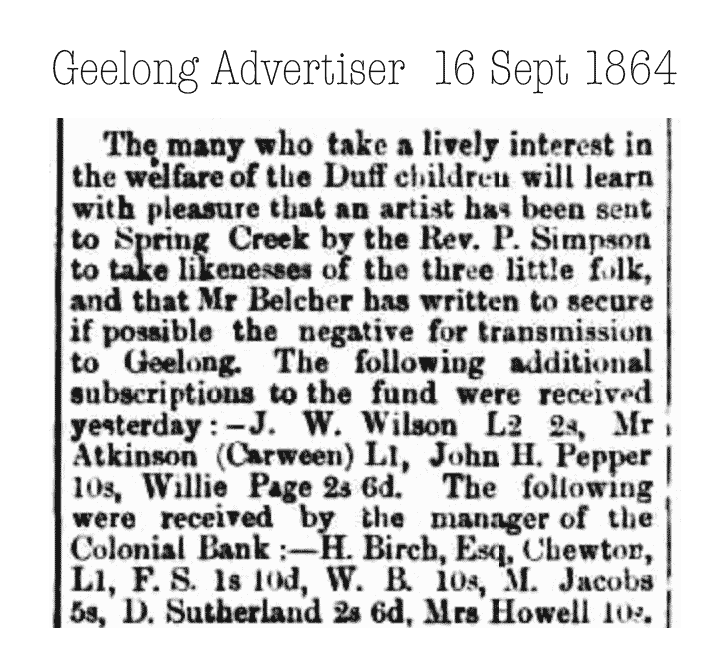
What makes this lot so compelling for collectors of Australiana is the identity of the artist behind the widely circulated lithograph depicting the rescue. S.T. Gill — Samuel Thomas Gill — was one of colonial Australia’s most astute visual chroniclers, best known for his satirical depictions of the goldfields. By 1864 he was resident in Geelong, and the evidence strongly suggests he was ‘The Artist’ credited in contemporary newspaper accounts of the Duff children story.
Gill’s lithograph functioned as what we might today call ‘social media’ — a visual story distributed as widely and rapidly as print technology allowed, capturing an event that resonated with the anxieties and aspirations of a settler community still coming to terms with the Australian bush. The image circulated from hand to hand, was reproduced in newspapers, and entered the visual memory of colonial Victoria.
The Role of Aboriginal Trackers
The Duff children’s survival — after nine days in the bush in winter — is itself remarkable. But the story’s historical significance goes further: the reliance on Indigenous expertise, the rapid dissemination of news across a developing colony, and the role of printed imagery in forming shared narratives all make this episode a rich window into colonial Australia at a pivotal moment.
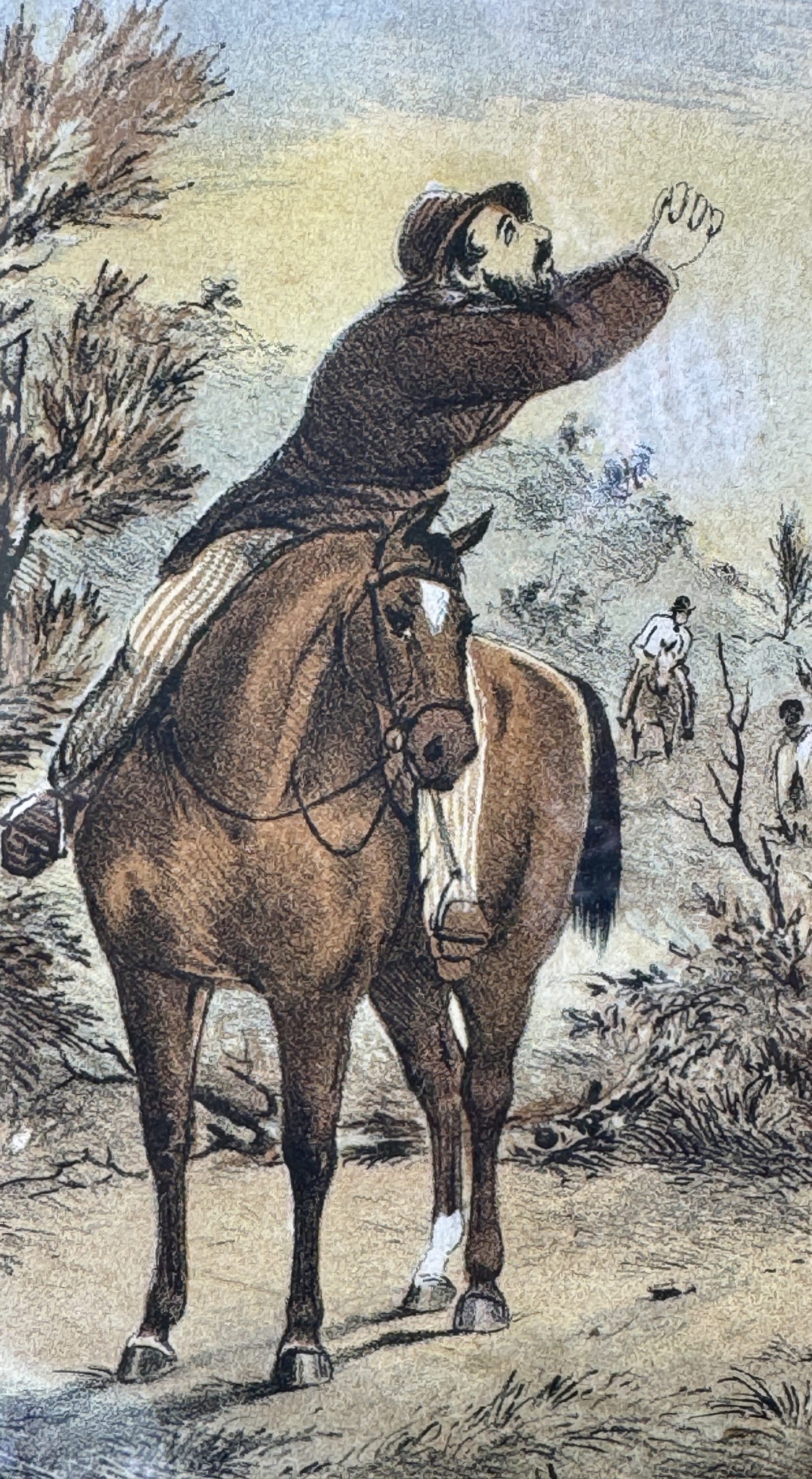
The lithograph stands as both a product of its time and a visual anchor for one of the most memorable survival stories of nineteenth-century Australia. View this lot on Invaluable →